Why Routine Health Screening is Important After Age 30
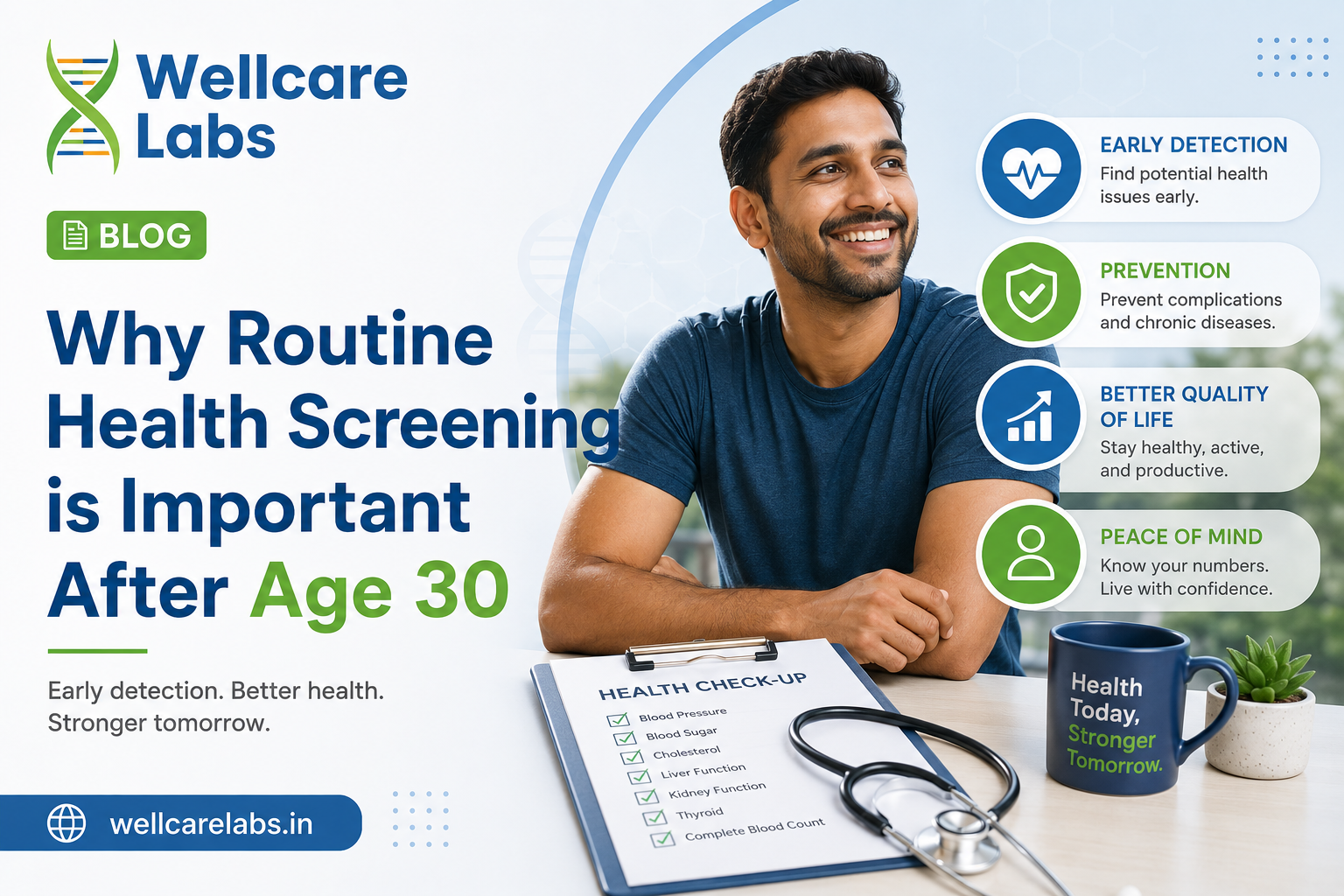
Why Routine Health Screening is Important After Age 30
Turning 30 is often a phase where life becomes busier with career responsibilities, family commitments, stress, and changing lifestyle habits. While many people still feel healthy during this age, the body slowly begins to undergo metabolic and hormonal changes that may increase the risk of various health conditions.
Unfortunately, many diseases such as diabetes, high blood pressure, thyroid disorders, and cholesterol imbalance develop silently without noticeable symptoms in the beginning.
This is why routine health screening becomes increasingly important after the age of 30.
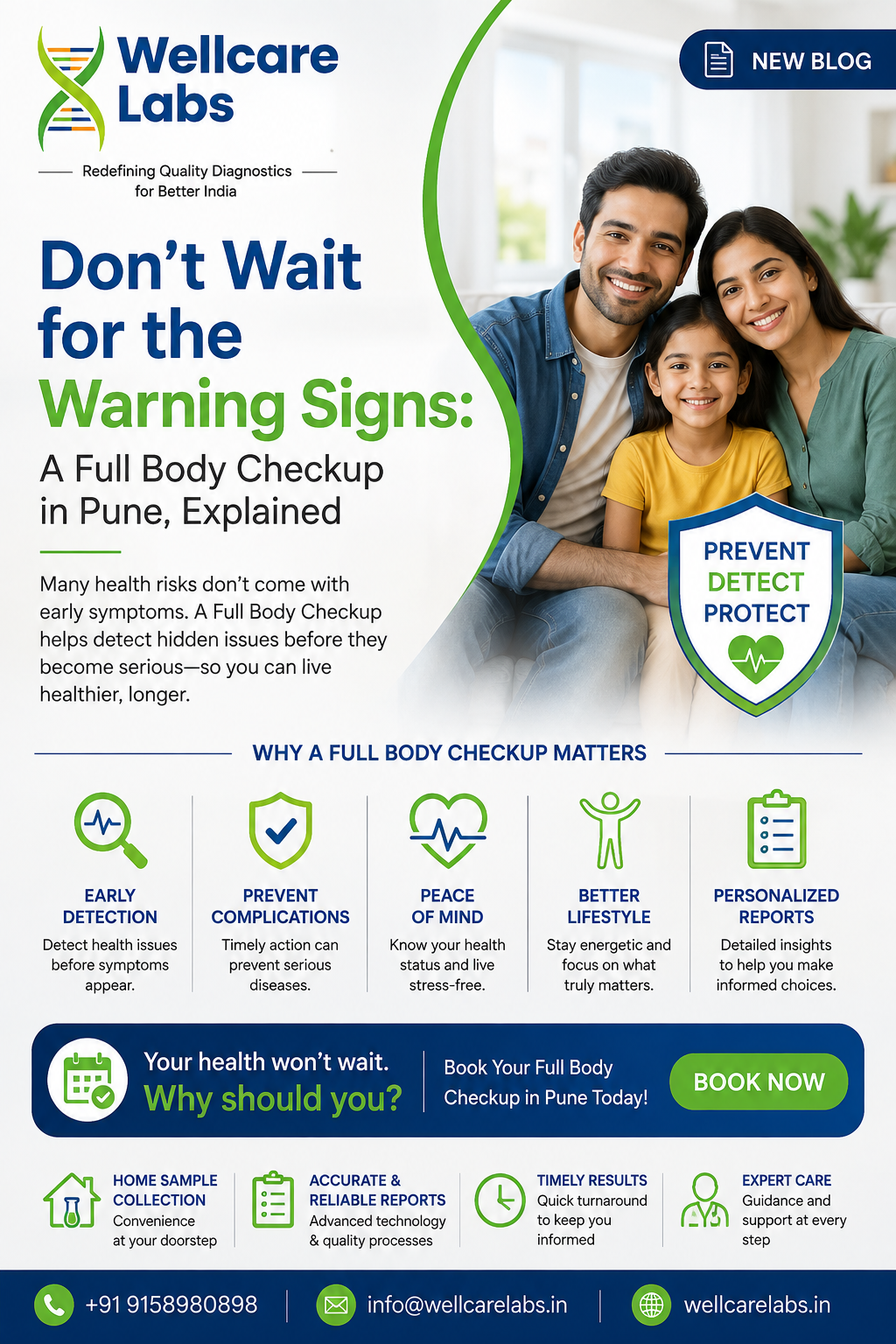
Regular health checkups help detect potential problems early, allowing timely treatment and better long-term health management.
What is Routine Health Screening?
Routine health screening refers to preventive medical tests performed to evaluate overall health and detect diseases before symptoms become serious.
These screenings may include:
- Blood sugar tests
- Cholesterol tests
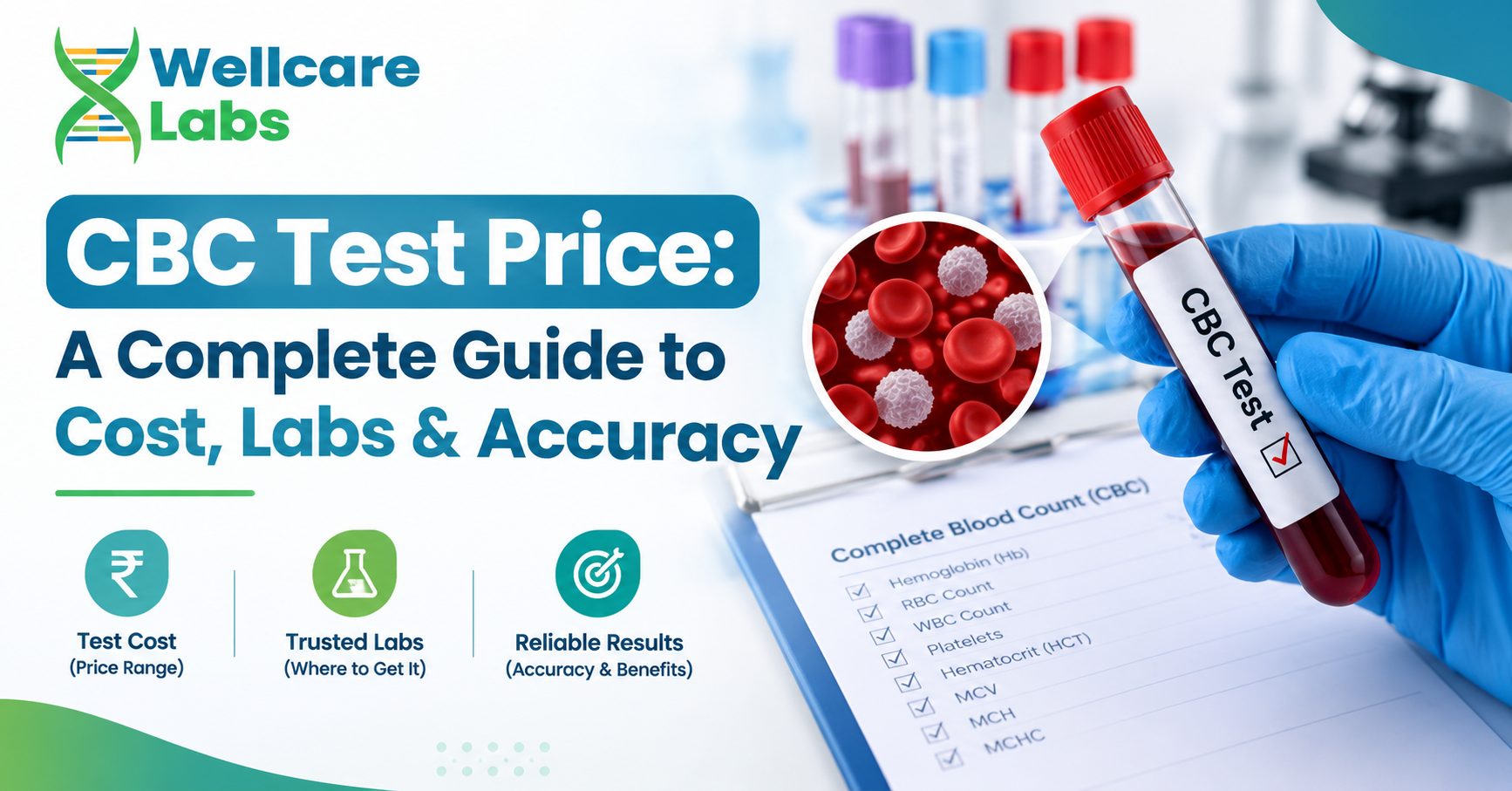
- Complete blood count (CBC)
- Thyroid function tests
- Liver and kidney function tests
- Blood pressure monitoring
- Vitamin deficiency tests
The purpose is not just diagnosing illness, but preventing future health complications.
Why Health Risks Increase After Age 30
As age increases, the body’s metabolism and recovery capacity gradually slow down.
Several factors contribute to higher health risks after 30:
- Sedentary lifestyle
- Increased work stress
- Poor sleep patterns
- Unhealthy diet
- Weight gain
- Reduced physical activity
- Hormonal changes
Even people who appear healthy may develop hidden health conditions over time.
1. Early Detection of Diabetes
Type 2 diabetes is becoming increasingly common among younger adults due to lifestyle changes.
Routine blood sugar testing helps identify:
- Prediabetes
- Insulin resistance
- Uncontrolled glucose levels
Early diagnosis can help prevent complications affecting the heart, kidneys, eyes, and nerves.
2. Monitoring Cholesterol and Heart Health
Heart disease risk often begins increasing silently after the age of 30.
Lipid profile tests help monitor:
- Total cholesterol
- LDL (bad cholesterol)
- HDL (good cholesterol)
- Triglycerides
Detecting cholesterol imbalance early allows individuals to improve diet and lifestyle before serious cardiovascular problems develop.
3. Identifying High Blood Pressure
High blood pressure is often called a “silent condition” because symptoms may not appear initially.
Routine screening helps detect:
- Hypertension
- Circulation problems
- Increased heart disease risk
Regular monitoring supports early lifestyle modifications and treatment.
4. Detecting Thyroid Disorders
Thyroid imbalance can affect:
- Weight
- Energy levels
- Mood
- Hair health
- Metabolism
Thyroid conditions are especially common among adults after 30 and may remain unnoticed without testing.
5. Detecting Nutritional Deficiencies
Modern eating habits and stress may lead to deficiencies in:
- Vitamin D
- Vitamin B12
- Iron
These deficiencies can cause:
- Fatigue
- Weakness
- Hair fall
- Poor immunity
- Reduced concentration
Routine tests help identify and manage these issues early.
6. Supporting Better Weight Management
Weight gain after 30 is common due to slower metabolism and reduced activity.
Health screening helps evaluate:
- Blood sugar levels
- Hormonal balance
- Cholesterol levels
- Metabolic health
This allows individuals to make healthier lifestyle decisions before obesity-related complications occur.
7. Reducing Long-Term Healthcare Costs
Preventive health screening can help avoid expensive treatments later.
Early detection often means:
- Simpler treatment
- Better recovery
- Lower medical expenses
- Reduced hospitalization risk
Preventive healthcare is usually more affordable and effective than delayed treatment.
8. Improving Mental and Physical Well-Being
Good health is closely connected to productivity, energy, and mental wellness.
Regular health monitoring helps individuals:
- Feel more confident about their health
- Reduce stress related to undiagnosed illnesses
- Maintain active lifestyles
- Improve quality of life
Taking preventive action early can support healthier aging.
Common Tests Recommended After Age 30
Doctors may suggest:
- CBC Test
- HbA1c Test
- Blood Sugar Test
- Lipid Profile
- Thyroid Function Test
- Liver Function Test
- Kidney Function Test
- Vitamin D & B12 Tests
- Urine Analysis
The exact tests may vary depending on lifestyle, family history, and medical conditions.
Who Should Prioritize Routine Health Screening?
Health screening becomes especially important for individuals with:
- Family history of diabetes or heart disease
- High stress levels
- Sedentary lifestyle
- Smoking or alcohol habits
- Obesity
- Irregular eating patterns
Even individuals without symptoms should consider annual checkups.
Importance of Choosing a Reliable Diagnostic Lab
Accurate test results are essential for proper diagnosis and preventive healthcare.
Wellcare Labs offers dependable pathology and diagnostic services with advanced testing technology, experienced professionals, and quality-focused processes. Their commitment to accuracy and timely reporting helps individuals make informed healthcare decisions with confidence.
Final Thoughts
Routine health screening after age 30 is not just about detecting illness — it is about protecting your future health.
Many serious conditions begin silently and remain unnoticed until complications develop. Regular testing helps identify risks early, supports healthier lifestyle choices, and improves long-term well-being.
Prioritizing preventive healthcare today can help you maintain a healthier, more active life in the years ahead.