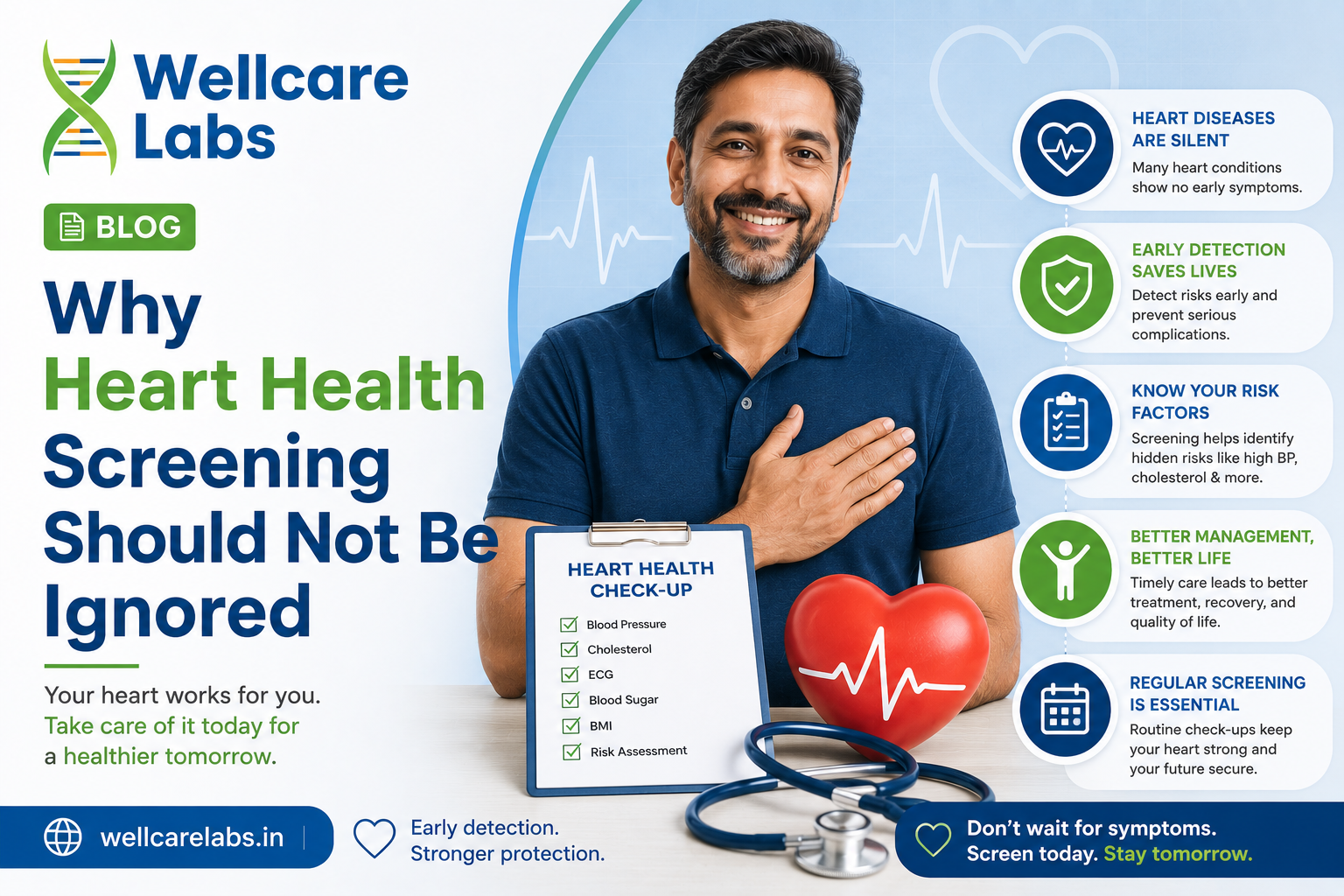
Why Heart Health Screening Should Not Be Ignored
Why Heart Health Screening Should Not Be Ignored
Heart disease is one of the leading health concerns worldwide, affecting people of different age groups and lifestyles. What makes heart-related conditions especially dangerous is that many of them develop silently over time without noticeable symptoms in the beginning.
Busy schedules, stress, unhealthy eating habits, lack of physical activity, and poor sleep have all contributed to the growing number of cardiovascular problems today.
This is why heart health screening should never be ignored.
Regular screening helps identify early warning signs before serious complications such as heart attacks, stroke, or high blood pressure develop. Preventive healthcare plays a major role in protecting long-term heart health and improving overall quality of life.
What is Heart Health Screening?
Heart health screening involves a group of tests and medical evaluations used to assess cardiovascular health and identify risk factors linked to heart disease.
These screenings may include:
- Blood pressure monitoring
- Lipid profile (cholesterol test)
- Blood sugar testing
- ECG (Electrocardiogram)
- Body weight and BMI assessment
- Heart risk evaluation
The purpose is to detect abnormalities early and reduce future cardiovascular risks.
Why Heart Disease Often Goes Undetected
Many heart conditions progress gradually without obvious symptoms.
A person may feel healthy while silently developing:
- High cholesterol
- High blood pressure
- Blocked arteries
- Poor circulation
- Diabetes-related heart risks
In many cases, symptoms only appear after the condition becomes serious.
Routine screening helps detect these problems at an early stage.
1. Helps Detect High Blood Pressure Early
High blood pressure, also called hypertension, is often known as a “silent killer.”
It may not cause noticeable symptoms initially, but over time it can increase the risk of:
- Heart attack
- Stroke
- Kidney damage
- Heart failure
Regular screening helps monitor blood pressure levels and supports early management.
2. Identifies Cholesterol Imbalance
High cholesterol is one of the major causes of cardiovascular disease.
A lipid profile test measures:
- LDL (bad cholesterol)
- HDL (good cholesterol)
- Triglycerides
- Total cholesterol
High LDL cholesterol can lead to plaque buildup inside arteries, restricting blood flow to the heart.
Early detection allows lifestyle improvements and timely treatment.
3. Detects Diabetes-Related Heart Risks
Diabetes and heart disease are closely connected.
High blood sugar levels can damage blood vessels and increase cardiovascular risk over time.
Routine blood sugar and HbA1c testing help identify:
- Prediabetes
- Diabetes
- Poor glucose control
Managing blood sugar early can help protect heart health.
4. Supports Better Lifestyle Changes
Heart screening often motivates people to take preventive action before serious illness develops.
Doctors may recommend:
- Healthier diet
- Weight management
- Exercise routines
- Stress reduction
- Better sleep habits
Small daily improvements can significantly reduce cardiovascular risk over time.
5. Reduces the Risk of Sudden Cardiac Events
Many heart attacks occur without major warning signs.
Routine health screening can identify risk factors such as:
- High cholesterol
- Hypertension
- Obesity
- Diabetes
- Family history of heart disease
Early diagnosis and monitoring can help reduce the chances of sudden cardiac emergencies.
6. Important for People with Stressful Lifestyles
Modern work culture and stress can negatively affect heart health.
Long-term stress may contribute to:
- Increased blood pressure
- Poor eating habits
- Sleep problems
- Weight gain
- Increased inflammation
Professionals with sedentary lifestyles should prioritize preventive heart screening regularly.
Common Symptoms That Should Not Be Ignored
You should consult a doctor if you experience:
- Chest discomfort
- Shortness of breath
- Frequent fatigue
- Dizziness
- Irregular heartbeat
- Swelling in legs or feet
- High blood pressure readings
Even mild symptoms may indicate underlying cardiovascular issues.
Who Should Get Heart Health Screening?
Heart screening is especially important for:
- Adults above 30 years
- Individuals with family history of heart disease
- Smokers
- People with diabetes or obesity
- Individuals with high stress levels
- People with sedentary lifestyles
Even healthy individuals benefit from regular preventive testing.
How Often Should Heart Screening Be Done?
The frequency depends on age, health condition, and risk factors.
Generally:
- Adults should consider annual health screening
- High-risk individuals may require more frequent monitoring
Doctors may suggest customized screening plans based on medical history.
Healthy Habits That Support Heart Health
Simple lifestyle choices can improve cardiovascular wellness significantly.
Helpful Habits Include:
- Eating balanced meals
- Exercising regularly
- Reducing processed food intake
- Managing stress
- Sleeping properly
- Avoiding smoking
- Limiting alcohol consumption
Consistency is important for long-term heart protection.
Importance of Choosing a Reliable Diagnostic Lab
Accurate test results are essential for proper cardiovascular risk assessment and preventive healthcare.
Wellcare Labs offers dependable pathology and diagnostic services with advanced technology, experienced professionals, and quality-focused testing methods. Their commitment to accuracy and timely reporting helps individuals monitor their heart health with confidence and make informed healthcare decisions.
Final Thoughts
Heart health screening should never be ignored, even if you feel completely healthy.
Many cardiovascular conditions develop silently and become dangerous only after significant damage occurs. Regular screening helps detect risk factors early, supports better treatment planning, and encourages healthier lifestyle choices.
Taking preventive care seriously today can help protect your heart and improve your overall quality of life in the future.