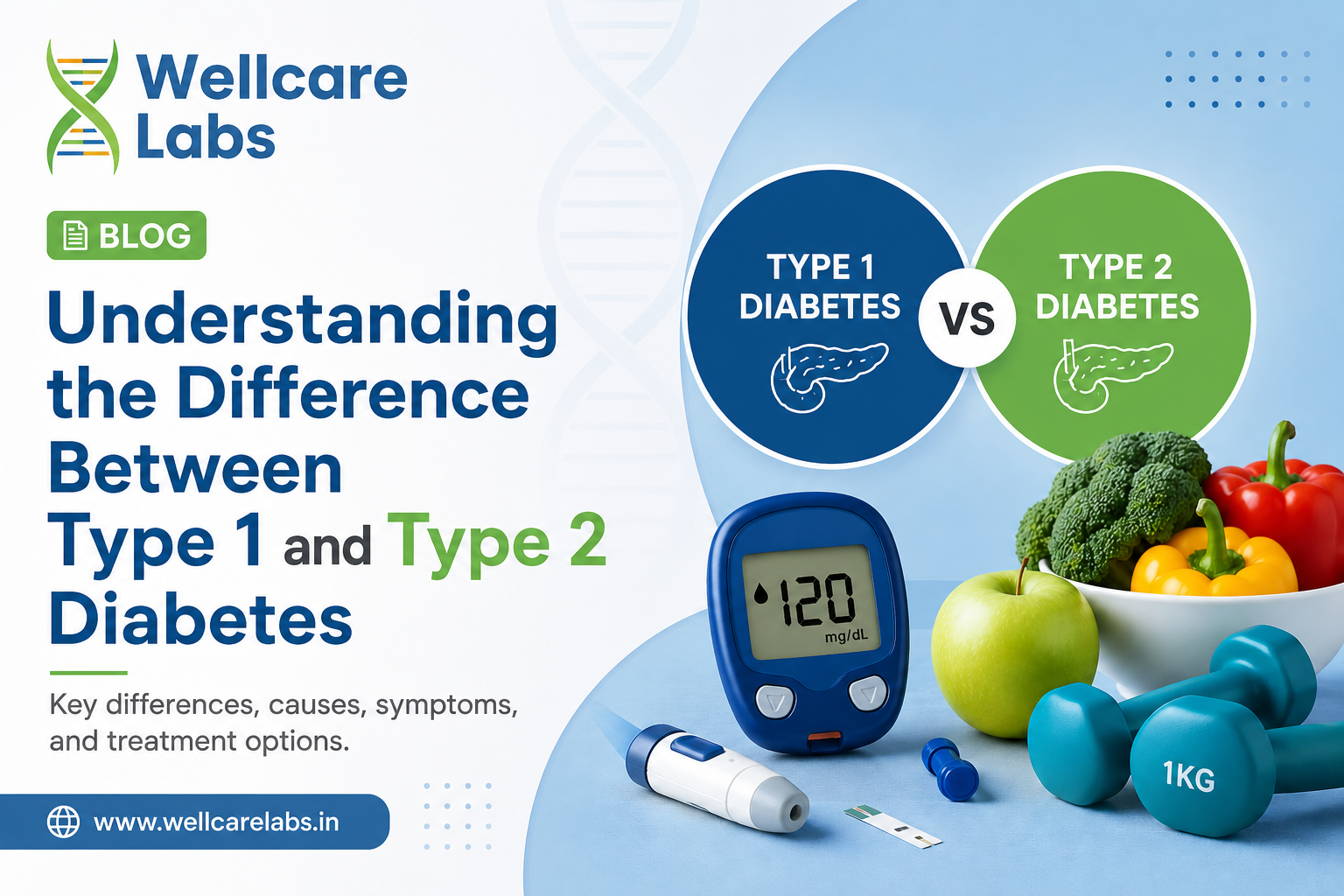
Understanding the Difference Between Type 1 and Type 2 Diabetes
Understanding the Difference Between Type 1 and Type 2 Diabetes
Diabetes is one of the most common chronic health conditions affecting millions of people worldwide. It occurs when the body is unable to properly regulate blood sugar levels, leading to excess glucose in the bloodstream.
While many people have heard of diabetes, not everyone understands that there are different types of the condition. The two most common forms are Type 1 diabetes and Type 2 diabetes.
Although both affect blood sugar control, they differ in causes, symptoms, risk factors, and treatment approaches.
Understanding these differences can help with early diagnosis, proper management, and healthier lifestyle choices.
What is Diabetes?
The body uses glucose as its primary source of energy. Insulin, a hormone produced by the pancreas, helps move glucose from the blood into the cells.
Diabetes develops when:
- The body does not produce enough insulin
- The body cannot use insulin properly
- Blood sugar levels remain consistently high
If left unmanaged, diabetes can affect the heart, kidneys, eyes, nerves, and other organs.
What is Type 1 Diabetes?
Type 1 diabetes is an autoimmune condition in which the immune system mistakenly attacks insulin-producing cells in the pancreas.
As a result, the body produces little or no insulin.
Key Facts About Type 1 Diabetes:
- Usually develops in children or young adults
- Not caused by lifestyle habits
- Requires lifelong insulin therapy
- Can develop suddenly
The exact cause is not fully understood, but genetics and immune system factors may play a role.
What is Type 2 Diabetes?
Type 2 diabetes occurs when the body becomes resistant to insulin or does not produce enough insulin to maintain normal blood sugar levels.
It is the most common form of diabetes.
Key Facts About Type 2 Diabetes:
- More common in adults, but increasingly seen in younger people
- Often linked to lifestyle factors
- Can develop gradually over time
- May sometimes be managed with lifestyle changes and medication
Obesity, lack of physical activity, stress, and unhealthy eating habits are major contributing factors.
Main Difference Between Type 1 and Type 2 Diabetes
1. Cause
Type 1 Diabetes:
Caused by autoimmune destruction of insulin-producing cells.
Type 2 Diabetes:
Caused by insulin resistance and lifestyle-related factors.
2. Age of Onset
Type 1 Diabetes:
Usually develops during childhood or teenage years.
Type 2 Diabetes:
More common after age 40, though cases in younger adults and children are increasing.
3. Insulin Production
Type 1 Diabetes:
Very little or no insulin production.
Type 2 Diabetes:
Insulin is produced, but the body does not use it effectively.
4. Treatment Approach
Type 1 Diabetes:
Requires daily insulin injections or insulin pump therapy.
Type 2 Diabetes:
Often managed with:
- Healthy diet
- Exercise
- Oral medications
- Sometimes insulin
5. Development Speed
Type 1 Diabetes:
Symptoms may appear suddenly.
Type 2 Diabetes:
Symptoms often develop slowly over several years.
Common Symptoms of Diabetes
Both types may cause:
- Excessive thirst
- Frequent urination
- Fatigue
- Blurred vision
- Sudden weight changes
- Slow wound healing
However, symptoms in Type 1 diabetes often appear more rapidly and may become severe quickly.
Risk Factors for Type 2 Diabetes
Several lifestyle and health factors increase the risk of Type 2 diabetes.
Common Risk Factors Include:
- Obesity
- Lack of exercise
- Family history
- High blood pressure
- Poor diet
- Stress
- Sedentary lifestyle
Early preventive care can help reduce these risks.
Can Diabetes Be Prevented?
Type 1 Diabetes:
Currently, there is no known way to prevent Type 1 diabetes.
Type 2 Diabetes:
Risk can often be reduced through:
- Healthy eating habits
- Regular exercise
- Weight management
- Stress control
- Routine health checkups
Lifestyle improvements play a major role in prevention.
How is Diabetes Diagnosed?
Doctors may recommend several tests, including:
- Fasting Blood Sugar Test
- Random Blood Sugar Test
- HbA1c Test
- Oral Glucose Tolerance Test
Regular testing helps detect diabetes early and supports better treatment planning.
Importance of Early Detection
Early diagnosis helps:
- Prevent long-term complications
- Improve blood sugar management
- Protect heart and kidney health
- Improve quality of life
Many people remain undiagnosed for years because symptoms may initially seem mild.
Why Choosing a Trusted Diagnostic Lab Matters
Accurate blood sugar testing is extremely important for diabetes diagnosis and monitoring.
Wellcare Labs offers reliable pathology and diagnostic services using advanced technology, experienced professionals, and quality-controlled testing methods. Their focus on accurate reports and timely results helps individuals make informed healthcare decisions with confidence.
Final Thoughts
Type 1 and Type 2 diabetes may both affect blood sugar levels, but they differ significantly in causes, development, and management.
Understanding these differences can help individuals recognize symptoms early, seek timely medical advice, and make healthier lifestyle choices. With proper diagnosis, regular monitoring, and consistent care, diabetes can be managed effectively and complications can often be reduced.
Preventive healthcare and regular testing remain important steps toward maintaining long-term well-being.