PCOS Blood Tests Explained
PCOS Blood Tests Explained: Understanding the Tests Used to Diagnose and Monitor PCOS
Introduction
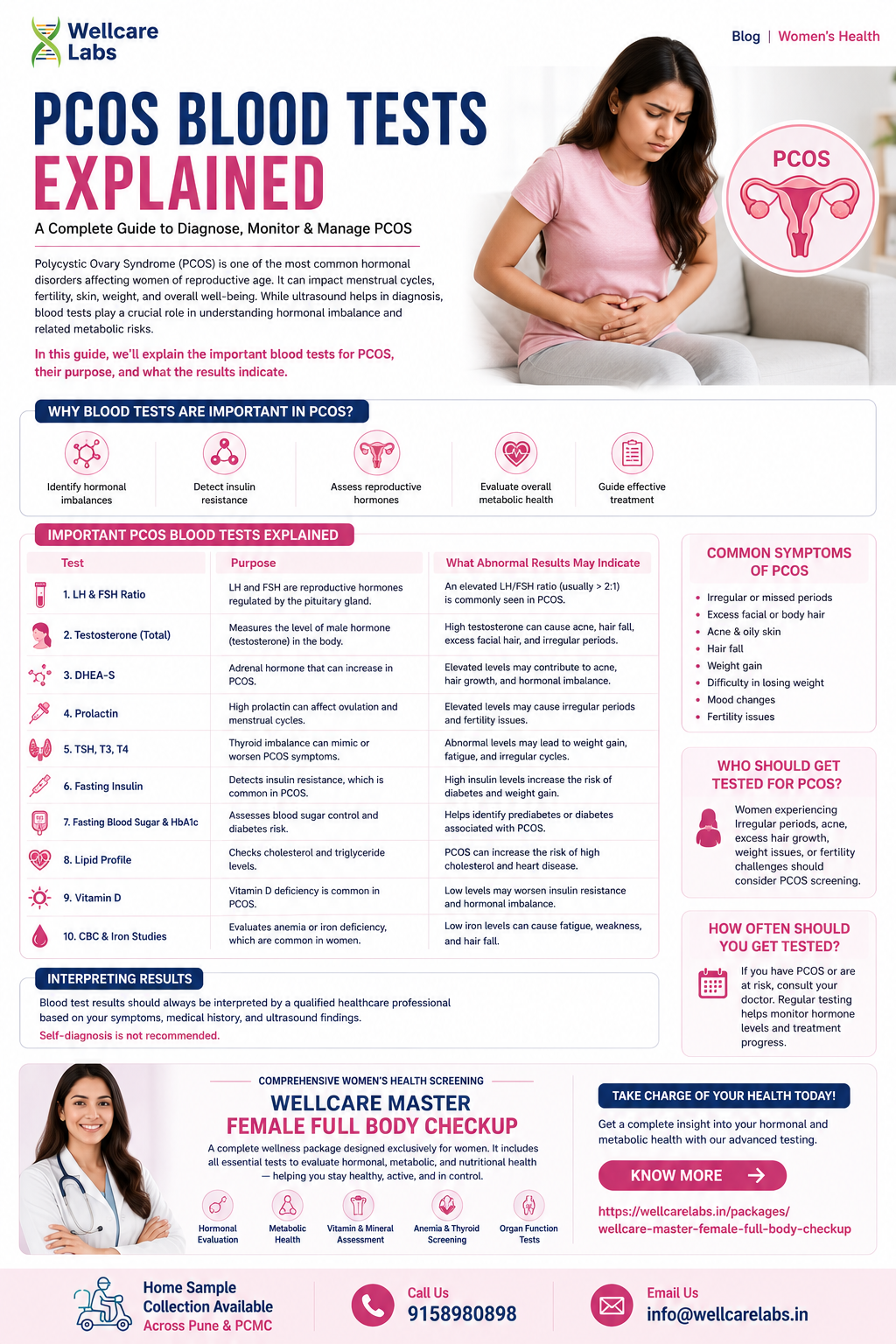
Polycystic Ovary Syndrome (PCOS) is one of the most common hormonal disorders affecting women of reproductive age. It can impact menstrual cycles, fertility, weight management, skin health, and overall well-being.
Many women experience symptoms for years before receiving a proper diagnosis. While ultrasound plays an important role in PCOS evaluation, blood tests are equally important because they help identify hormonal imbalances, metabolic issues, and associated health risks.
In this guide, we'll explain the most important blood tests used for PCOS, what they measure, and how they help doctors diagnose and manage the condition.
What is PCOS?
PCOS is a hormonal disorder that affects the ovaries and reproductive hormones.
Common symptoms include:
- Irregular periods
- Missed menstrual cycles
- Excess facial or body hair
- Acne and oily skin
- Hair thinning or hair fall
- Weight gain
- Difficulty losing weight
- Fertility issues
- Mood changes
Since PCOS can affect multiple systems in the body, doctors often recommend a combination of hormonal and metabolic blood tests.
Why Are Blood Tests Important for PCOS?
Blood tests help healthcare providers:
- Assess hormone levels
- Identify insulin resistance
- Evaluate fertility-related hormones
- Detect thyroid disorders
- Screen for diabetes risk
- Monitor cholesterol levels
- Rule out other medical conditions
These tests help create a complete picture of your hormonal and metabolic health.
1. LH and FSH Test
What Does It Measure?
- LH (Luteinizing Hormone)
- FSH (Follicle Stimulating Hormone)
These hormones regulate ovulation and menstrual cycles.
Why Is It Important?
Women with PCOS often have an elevated LH-to-FSH ratio, which may contribute to irregular ovulation and menstrual disturbances.
2. Total Testosterone Test
What Does It Measure?
Testosterone is commonly considered a male hormone, but women naturally produce small amounts as well.
Why Is It Important?
Many women with PCOS have elevated testosterone levels.
Higher levels may contribute to:
- Excess facial hair
- Acne
- Hair thinning
- Irregular periods
3. DHEA-S Test
What Does It Measure?
DHEA-S (Dehydroepiandrosterone Sulfate) is a hormone produced by the adrenal glands.
Why Is It Important?
Elevated DHEA-S levels can contribute to androgen-related symptoms such as:
- Acne
- Hair growth
- Hormonal imbalance
4. Prolactin Test
What Does It Measure?
Prolactin is a hormone involved in breast development and milk production.
Why Is It Important?
High prolactin levels can cause symptoms similar to PCOS, including:
- Irregular periods
- Fertility issues
Testing helps rule out other hormonal conditions.
5. Thyroid Profile (TSH, T3, T4)
Why Is It Important?
Thyroid disorders often mimic PCOS symptoms.
Common overlapping symptoms include:
- Weight gain
- Fatigue
- Irregular periods
- Hair fall
A thyroid profile helps ensure that symptoms are not caused by an underlying thyroid condition.
6. Fasting Insulin Test
What Does It Measure?
Insulin is the hormone responsible for regulating blood sugar levels.
Why Is It Important?
Insulin resistance is one of the most common metabolic problems associated with PCOS.
High insulin levels may contribute to:
- Weight gain
- Difficulty losing weight
- Increased androgen production
- Higher diabetes risk
7. HbA1c and Blood Sugar Tests
Why Are They Important?
Women with PCOS have a higher risk of developing:
- Prediabetes
- Type 2 Diabetes
Recommended tests include:
- Fasting Blood Sugar
- Postprandial Blood Sugar
- HbA1c
These tests help assess long-term blood sugar control.
8. Lipid Profile
What Does It Measure?
A lipid profile evaluates:
- Total Cholesterol
- LDL Cholesterol
- HDL Cholesterol
- Triglycerides
Why Is It Important?
PCOS is associated with an increased risk of:
- High cholesterol
- Heart disease
- Metabolic syndrome
Regular monitoring supports long-term cardiovascular health.
9. Vitamin D Test
Vitamin D deficiency is frequently observed in women with PCOS.
Symptoms of Deficiency
- Fatigue
- Low energy levels
- Mood changes
- Bone discomfort
Monitoring Vitamin D levels can support overall health management.
10. CBC and Iron Studies
Women with heavy or irregular menstrual bleeding may develop iron deficiency.
These tests help evaluate:
- Hemoglobin levels
- Iron stores
- Overall blood health
Can Blood Tests Alone Diagnose PCOS?
No.
PCOS diagnosis is usually based on a combination of:
- Medical history
- Symptoms
- Physical examination
- Blood test results
- Ultrasound findings
Your doctor will interpret all findings together before making a diagnosis.
Comprehensive Women's Health Screening for PCOS
Since PCOS affects multiple aspects of health, many women benefit from a comprehensive health evaluation rather than undergoing individual tests separately.
The Wellcare Master Female Full Body Checkup includes a wide range of health investigations that help assess:
- Blood health
- Thyroid function
- Blood sugar levels
- Cholesterol profile
- Liver function
- Kidney function
- Nutritional status
- Overall women's health
Learn more about the package here: Full Body Checkup for Women
A comprehensive screening can help identify underlying health concerns that often coexist with PCOS and support proactive healthcare management.
Lifestyle Tips for Women with PCOS
Along with medical care and regular testing:
- Maintain a healthy weight
- Exercise regularly
- Follow a balanced diet
- Prioritize quality sleep
- Manage stress effectively
- Attend regular health checkups
Small lifestyle changes can significantly improve long-term outcomes.
Frequently Asked Questions
Which blood test confirms PCOS?
There is no single blood test that confirms PCOS. Diagnosis typically involves multiple hormone and metabolic tests along with clinical evaluation.
Is thyroid testing necessary for PCOS?
Yes. Thyroid disorders can produce symptoms similar to PCOS and should be ruled out.
Why is insulin testing important in PCOS?
Insulin resistance is very common in PCOS and contributes to weight gain, hormonal imbalance, and diabetes risk.
Can PCOS increase cholesterol levels?
Yes. Many women with PCOS have abnormal lipid profiles and increased cardiovascular risk.
How often should women with PCOS undergo health screening?
Frequency depends on symptoms and medical history, but regular monitoring is generally recommended.
Conclusion
PCOS is more than just a reproductive health condition. It can affect hormones, metabolism, blood sugar control, cholesterol levels, and overall wellness.
Understanding the role of blood tests in PCOS helps women make informed healthcare decisions and seek timely medical care. Early diagnosis and regular monitoring can improve symptom management and reduce long-term health risks.
If you're experiencing symptoms suggestive of PCOS, consult a healthcare professional and consider comprehensive preventive screening to better understand your overall health.