Iron Deficiency in Indian Women: Symptoms, Causes, Tests & Prevention Guide
Iron Deficiency in Indian Women: Symptoms, Causes, Tests & Prevention Guide
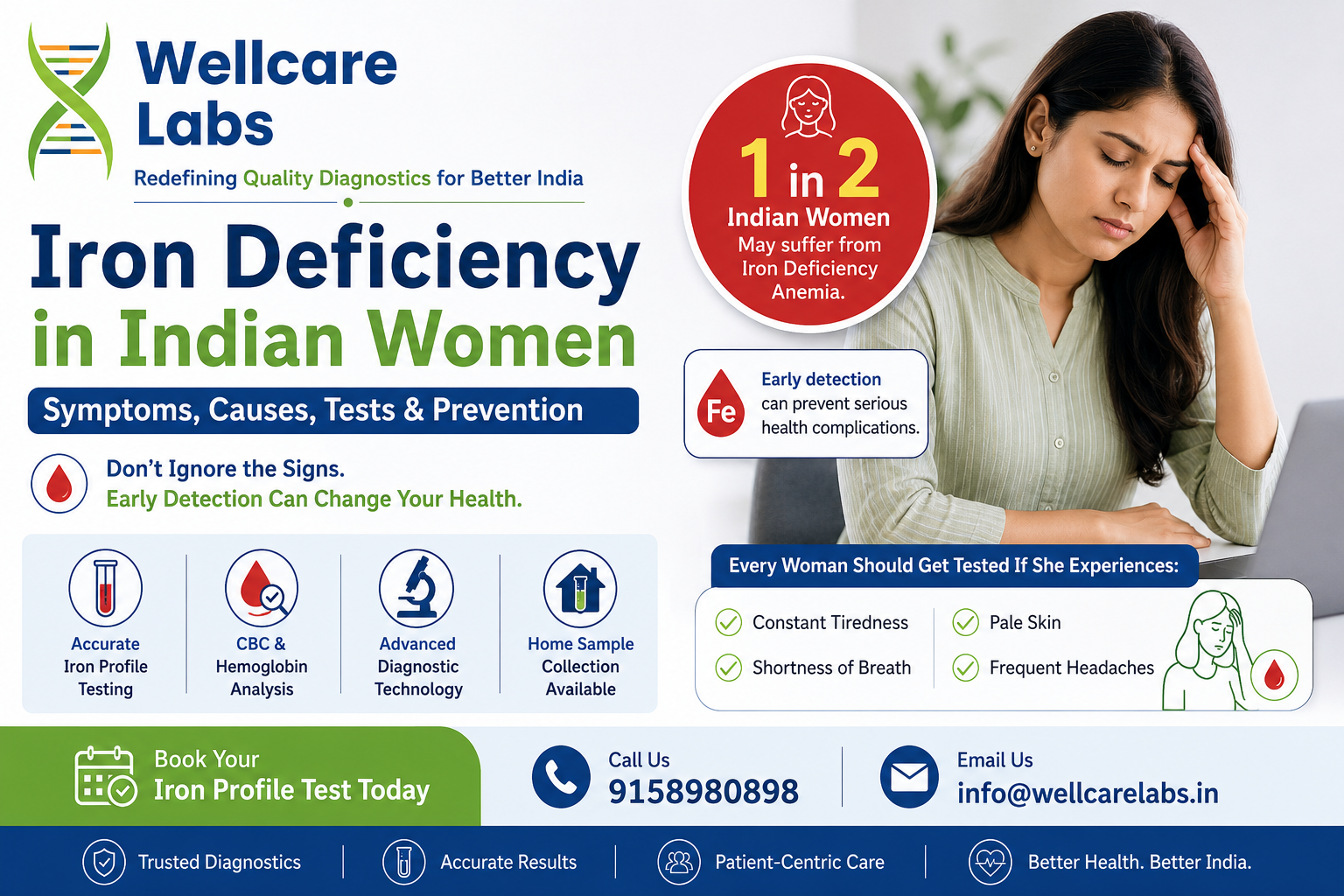
Iron deficiency is one of the most common nutritional deficiencies affecting women in India. Despite increasing health awareness, millions of women continue to suffer from low iron levels, often without realizing it. Left untreated, iron deficiency can lead to anemia, fatigue, reduced productivity, pregnancy complications, and a weakened immune system.
Understanding the signs of iron deficiency and getting tested early can help prevent long-term health complications and improve overall well-being.
What Is Iron Deficiency?
Iron is an essential mineral that helps the body produce hemoglobin, a protein found in red blood cells that carries oxygen from the lungs to the rest of the body.
When the body does not have enough iron, it cannot produce sufficient healthy red blood cells. This condition is known as iron deficiency anemia.
Women are particularly vulnerable to iron deficiency because of menstruation, pregnancy, breastfeeding, and increased nutritional requirements.
Why Is Iron Deficiency So Common in Indian Women?
Iron deficiency remains a major health concern across India, including Pune, PCMC, and Maharashtra.
Some common reasons include:
- Inadequate dietary iron intake
- Heavy menstrual bleeding
- Frequent pregnancies
- Poor iron absorption
- Vegetarian dietary patterns
- Gastrointestinal disorders
- Chronic blood loss
- Increased iron requirements during pregnancy
Many women unknowingly ignore symptoms for years, assuming fatigue and weakness are a normal part of daily life.
Symptoms of Iron Deficiency in Women
The symptoms often develop gradually and may become noticeable only when iron levels drop significantly.
Common Symptoms Include:
- Constant tiredness and fatigue
- Weakness and low energy levels
- Dizziness or lightheadedness
- Pale skin
- Frequent headaches
- Shortness of breath
- Hair fall
- Brittle nails
- Difficulty concentrating
- Cold hands and feet
- Rapid heartbeat
If you experience multiple symptoms, it may be time to consult your doctor and undergo diagnostic testing.
Who Is at Higher Risk?
Certain groups of women are more prone to iron deficiency:
Adolescent Girls
Rapid growth and the onset of menstruation increase iron requirements.
Working Women
Busy schedules and poor dietary habits often contribute to nutritional deficiencies.
Pregnant Women
Iron requirements nearly double during pregnancy to support fetal growth and increased blood volume.
Breastfeeding Mothers
Additional nutrients are needed during lactation.
Women with Heavy Menstrual Bleeding
Excessive monthly blood loss is one of the leading causes of iron deficiency anemia.
Iron Deficiency During Pregnancy
Pregnancy significantly increases iron requirements.
Low iron levels during pregnancy may increase the risk of:
- Maternal anemia
- Premature delivery
- Low birth weight
- Delayed fetal growth
- Increased maternal fatigue
Routine blood testing during pregnancy helps monitor hemoglobin levels and supports a healthy pregnancy journey.
How Is Iron Deficiency Diagnosed?
A blood test is the most effective way to diagnose iron deficiency.
Common Diagnostic Tests Include:
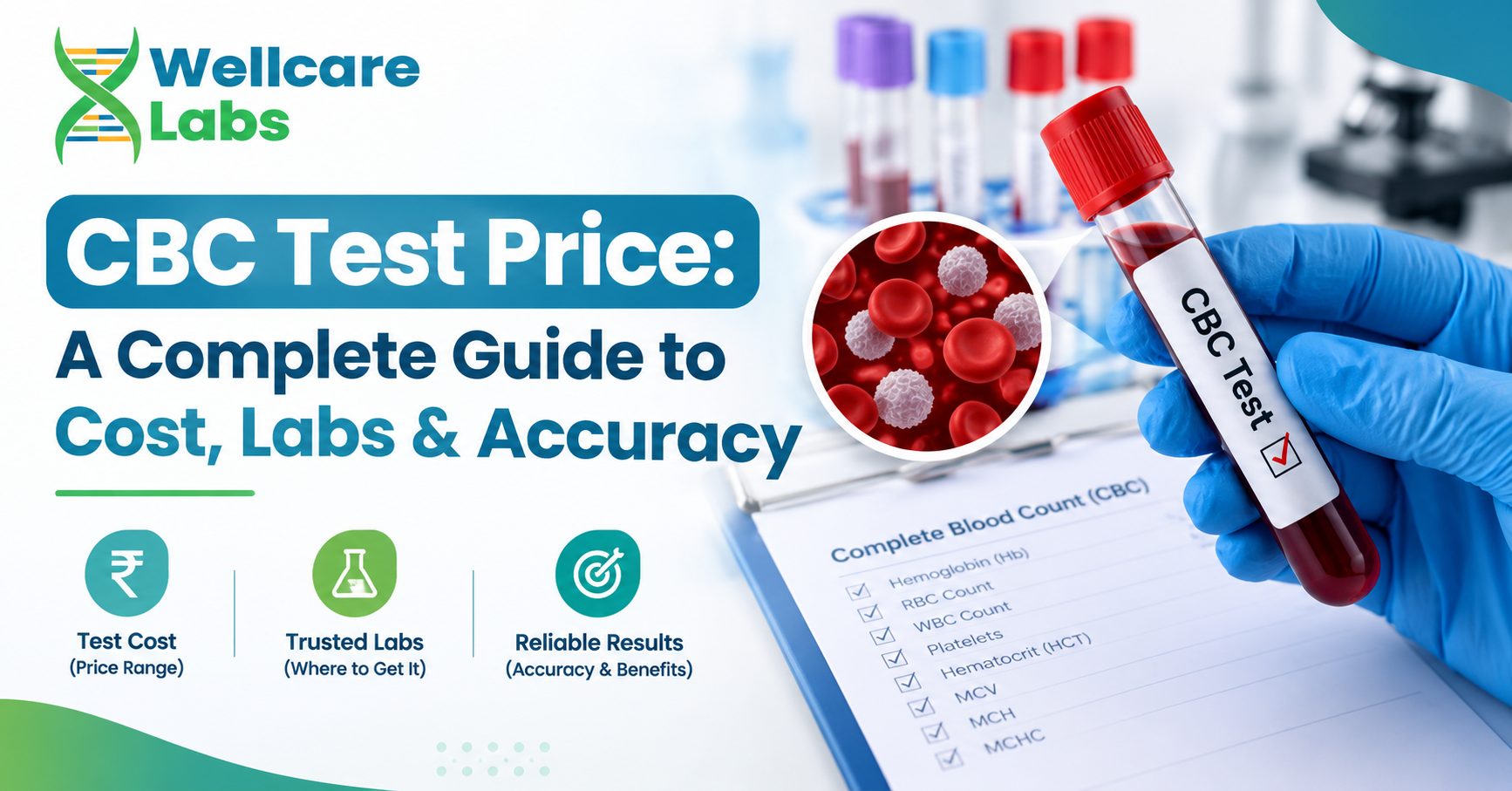
Complete Blood Count (CBC)
A CBC evaluates:
- Hemoglobin levels
- Red Blood Cell count
- Hematocrit
- Red cell indices
Iron Profile Test
An Iron Profile may include:
- Serum Iron
- Ferritin
- Total Iron Binding Capacity (TIBC)
- Transferrin Saturation
These tests help determine the body's iron stores and identify the severity of deficiency.
What Is a Normal Hemoglobin Level for Women?
Generally, hemoglobin levels below normal ranges may indicate anemia.
Healthy hemoglobin levels help ensure proper oxygen transport throughout the body and support overall health.
Regular screening is especially important for women with recurring symptoms or known risk factors.
Best Food Sources of Iron
Improving dietary intake can help maintain healthy iron levels.
Iron-Rich Foods Include:
Vegetarian Sources
- Spinach
- Fenugreek leaves
- Lentils
- Chickpeas
- Kidney beans
- Soybeans
- Sesame seeds
- Pumpkin seeds
- Jaggery
- Dates
Non-Vegetarian Sources
- Lean red meat
- Chicken liver
- Fish
- Eggs
Enhance Iron Absorption
Consume Vitamin C-rich foods alongside iron-rich meals:
- Oranges
- Amla
- Guava
- Lemon
- Tomatoes
Vitamin C improves the body's ability to absorb dietary iron.
How to Prevent Iron Deficiency
Follow these simple strategies:
Eat a Balanced Diet
Include iron-rich foods regularly.
Get Regular Health Checkups
Routine blood testing can detect deficiencies before symptoms become severe.
Monitor Menstrual Health
Consult a healthcare professional if you experience heavy or prolonged periods.
Follow Pregnancy Screening Recommendations
Regular antenatal testing helps ensure adequate iron levels throughout pregnancy.
Avoid Self-Medication
Iron supplements should only be taken under medical supervision.
When Should You Get Tested?
Consider testing if you have:
- Persistent fatigue
- Frequent dizziness
- Hair loss
- Heavy menstrual bleeding
- Pregnancy
- History of anemia
- Poor dietary intake
- Chronic health conditions
Early detection allows timely treatment and helps prevent complications.
Iron Deficiency in Pune, PCMC & Maharashtra
Iron deficiency remains one of the most commonly diagnosed nutritional deficiencies among women in Pune, Pimpri-Chinchwad (PCMC), and across Maharashtra.
With increasingly busy lifestyles, dietary imbalances, and rising health awareness, regular blood testing has become an important part of preventive healthcare for women.
Timely diagnosis through CBC and Iron Profile testing can help women maintain healthy hemoglobin levels, improve energy, and support long-term wellness.
Frequently Asked Questions
Can iron deficiency occur without anemia?
Yes. Iron stores may become depleted before anemia develops, making early testing important.
Is hair loss linked to iron deficiency?
Low iron levels may contribute to excessive hair fall in some women.
How often should women check their iron levels?
Women with symptoms, heavy periods, pregnancy, or previous anemia should follow their doctor's testing recommendations.
Can diet alone correct iron deficiency?
Mild deficiencies may improve through diet, while moderate or severe deficiencies may require medical treatment and supplementation.
Conclusion
Iron deficiency is a common yet often overlooked health concern among Indian women. Symptoms such as fatigue, weakness, dizziness, and hair fall should never be ignored. Regular blood tests, a nutritious diet, and timely medical intervention can help prevent iron deficiency anemia and improve overall quality of life.
Prioritizing women's health today leads to stronger families, healthier pregnancies, and a better future for generations to come.
Wellcare Labs
Redefining Quality Diagnostics for Better India