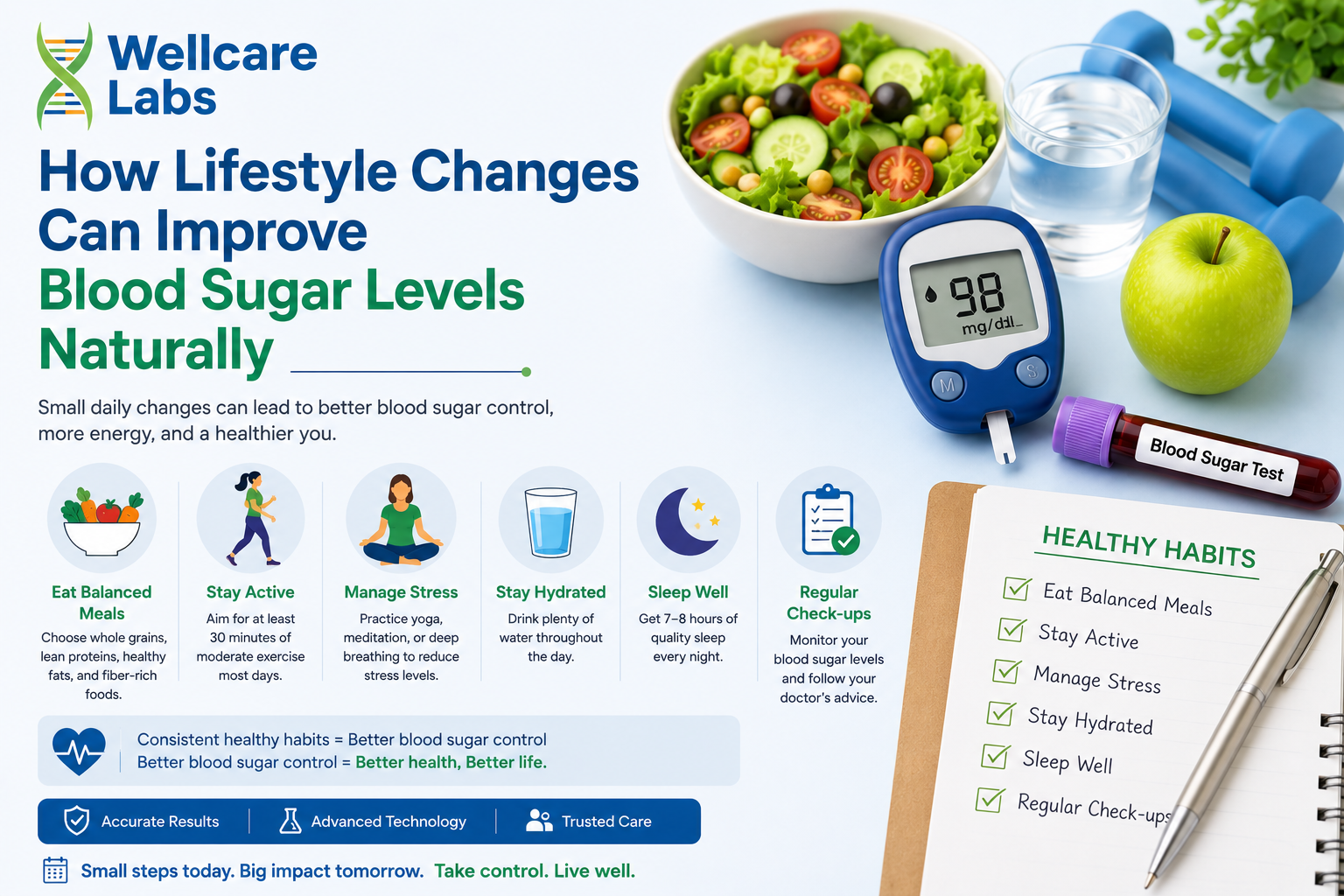
How Lifestyle Changes Can Improve Blood Sugar Levels Naturally
How Lifestyle Changes Can Improve Blood Sugar Levels Naturally
Blood sugar imbalance has become increasingly common due to modern lifestyle habits, unhealthy eating patterns, stress, and lack of physical activity. High blood sugar levels, if left unmanaged, can increase the risk of diabetes, heart disease, kidney problems, and several other health complications.
The good news is that small and consistent lifestyle changes can significantly improve blood sugar levels naturally. In many cases, healthy daily habits help people manage or even prevent diabetes more effectively.
If you’re looking for natural ways to maintain healthier glucose levels, this guide explains practical lifestyle improvements that actually make a difference.
Why Blood Sugar Control is Important
Blood sugar, or glucose, is the body’s main source of energy. However, consistently high sugar levels can damage blood vessels, nerves, and vital organs over time.
Maintaining healthy blood sugar levels helps:
- Improve energy levels
- Reduce diabetes risk
- Protect heart health
- Support kidney function
- Prevent nerve damage
- Improve overall well-being
Even small improvements in daily habits can have long-term health benefits.
1. Follow a Balanced and Healthy Diet
Food choices directly affect blood sugar levels.
A healthy diet can help:
- Prevent sudden sugar spikes
- Improve insulin sensitivity
- Maintain healthy body weight
Include More:
- Whole grains
- Fresh vegetables
- Fruits in moderation
- Lean proteins
- Fiber-rich foods
- Healthy fats
Reduce Intake Of:
- Sugary drinks
- Processed foods
- Excess sweets
- Refined carbohydrates
- Junk food
Balanced meals help maintain stable glucose levels throughout the day.
2. Exercise Regularly
Physical activity helps the body use insulin more effectively.
Regular exercise can:
- Lower blood sugar naturally
- Improve metabolism
- Reduce body fat
- Increase energy levels
Recommended Activities:
- Walking
- Cycling
- Swimming
- Yoga
- Strength training
Even 30 minutes of moderate exercise most days of the week can make a noticeable difference.
3. Maintain a Healthy Weight
Excess body weight, especially around the abdomen, increases insulin resistance.
Losing even a small amount of weight can:
- Improve blood sugar control
- Reduce diabetes risk
- Support heart health
Healthy weight management should focus on long-term lifestyle habits rather than extreme dieting.
4. Drink Enough Water
Proper hydration supports healthy blood circulation and kidney function.
Drinking enough water helps:
- Remove excess glucose through urine
- Prevent dehydration
- Support metabolism
Replacing sugary beverages with water is a simple but effective change.
5. Get Quality Sleep
Poor sleep can negatively affect hormones that regulate blood sugar.
Lack of sleep may lead to:
- Increased sugar cravings
- Higher stress hormones
- Insulin resistance
Adults should aim for around 7–8 hours of quality sleep daily.
6. Manage Stress Levels
Stress can increase blood sugar levels by triggering hormonal changes in the body.
Long-term stress may affect:
- Appetite control
- Sleep quality
- Blood sugar stability
Helpful Stress Management Techniques:
- Meditation
- Deep breathing exercises
- Yoga
- Regular physical activity
- Relaxation hobbies
Managing stress is an important part of overall diabetes prevention.
7. Avoid Smoking and Excess Alcohol
Smoking and excessive alcohol consumption can worsen blood sugar imbalance and increase health complications.
Reducing these habits helps:
- Improve circulation
- Support heart health
- Improve insulin response
Healthier lifestyle choices contribute to better long-term outcomes.
8. Monitor Blood Sugar Regularly
Routine blood sugar monitoring helps track progress and identify early problems.
Regular testing allows:
- Better diabetes management
- Early diagnosis of glucose imbalance
- Monitoring of lifestyle improvement effectiveness
People with diabetes or high-risk factors should prioritize regular health screening.
9. Eat Meals at Consistent Times
Irregular eating habits can affect blood sugar fluctuations.
Eating meals on time helps:
- Improve metabolism
- Prevent sudden sugar spikes
- Maintain energy balance
Skipping meals may sometimes lead to overeating or unstable glucose levels later.
10. Include Fiber-Rich Foods in Daily Diet
Fiber slows down sugar absorption and supports digestive health.
Good sources of fiber include:
- Oats
- Beans
- Fruits
- Vegetables
- Whole grains
- Seeds
Fiber-rich foods help improve blood sugar control naturally.
Symptoms That Should Not Be Ignored
You should consider blood sugar testing if you experience:
- Excessive thirst
- Frequent urination
- Fatigue
- Blurred vision
- Slow wound healing
- Sudden weight changes
Early diagnosis and timely management are extremely important.
Importance of Regular Health Testing
Lifestyle improvements work best when combined with regular health monitoring.
Routine blood sugar tests help:
- Detect prediabetes early
- Monitor diabetes management
- Prevent complications
- Support better treatment planning
Choosing a Trusted Diagnostic Lab Matters
Accurate pathology testing plays an important role in diabetes monitoring and preventive healthcare.
Wellcare Labs provides dependable pathology and diagnostic services using advanced technology and experienced professionals. Their focus on accuracy, timely reports, and patient care helps individuals manage their health with greater confidence.
Final Thoughts
Improving blood sugar levels naturally is possible with consistent lifestyle changes and healthy daily habits.
Simple actions like eating balanced meals, staying active, sleeping properly, reducing stress, and monitoring blood sugar regularly can make a significant difference over time. While medications may still be necessary for some individuals, lifestyle improvements remain one of the most effective ways to support long-term health and diabetes prevention.
Small changes today can lead to healthier outcomes in the future.