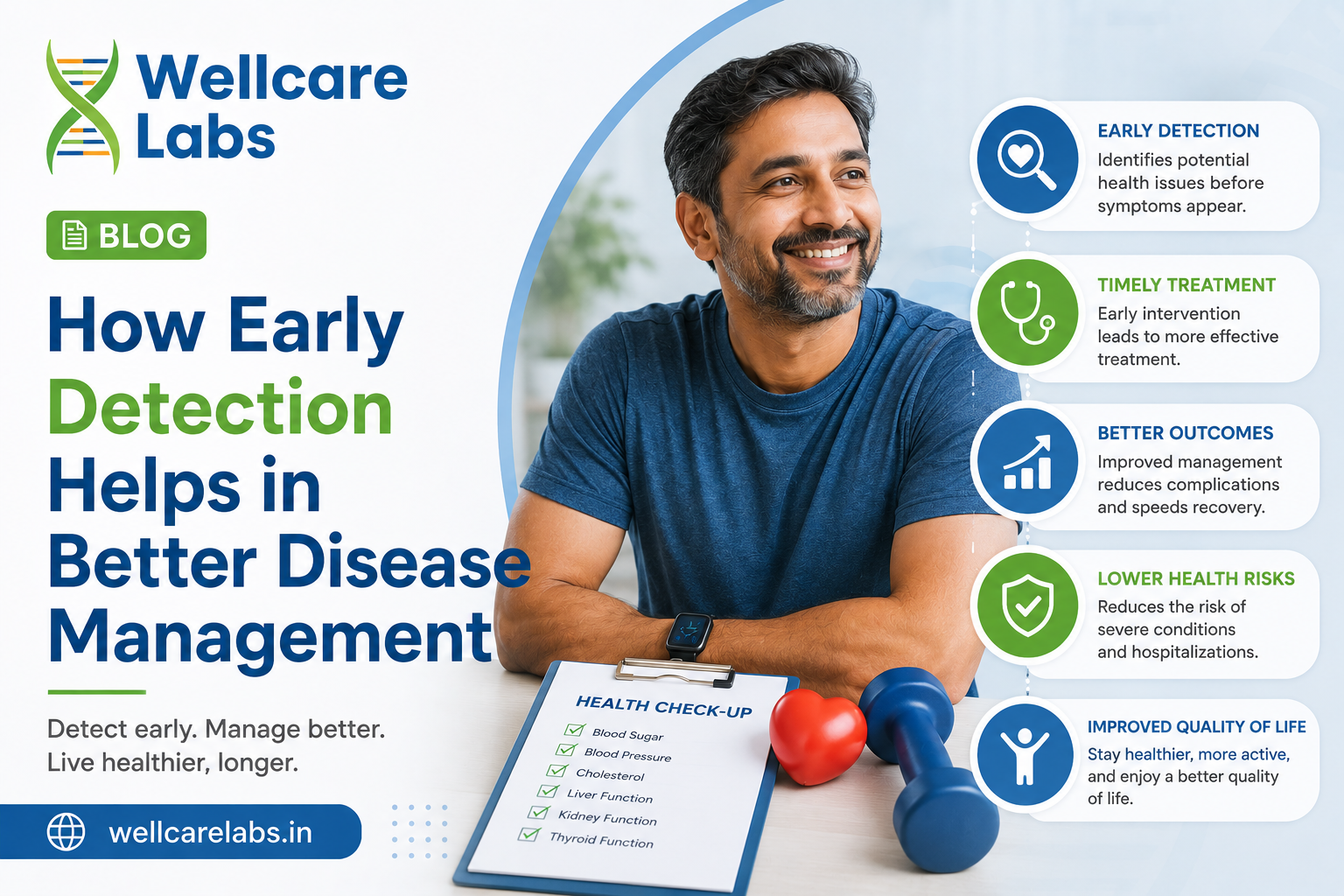
How Early Detection Helps in Better Disease Management
How Early Detection Helps in Better Disease Management
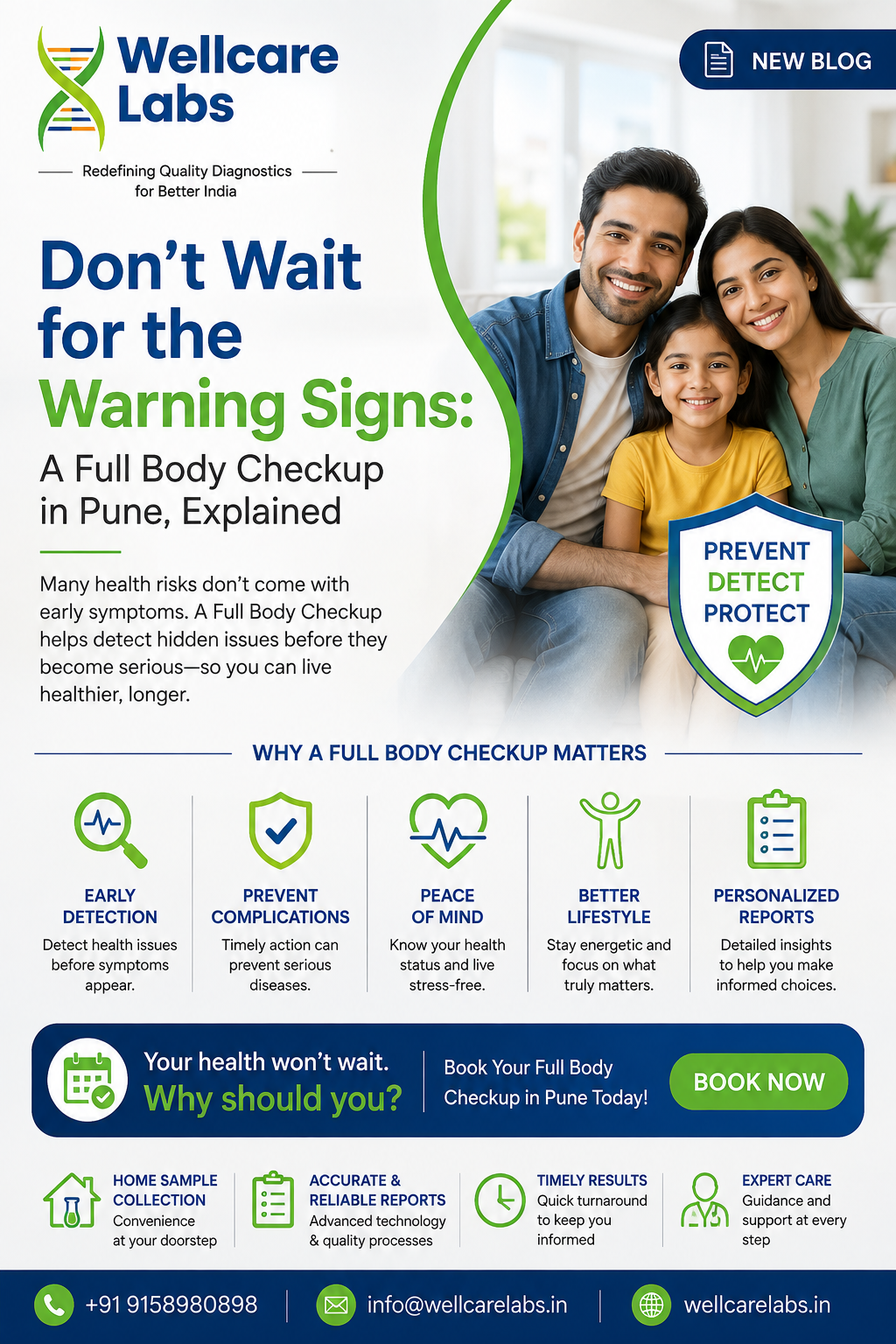
Many serious health conditions do not show noticeable symptoms during their early stages. Diseases like diabetes, high blood pressure, thyroid disorders, kidney problems, and even certain cancers can slowly develop over time without causing immediate discomfort.
This is why early detection plays such an important role in modern healthcare.
Identifying health problems at an early stage allows doctors to begin treatment sooner, reduce complications, and improve long-term outcomes. In many cases, early diagnosis can even prevent diseases from becoming severe.
Routine health screening and preventive testing are among the most effective ways to protect overall health and well-being.
What is Early Disease Detection?
Early detection refers to identifying a disease or medical condition before major symptoms or complications appear.
This is usually done through:
- Routine blood tests
- Preventive health checkups
- Imaging scans
- Physical examinations
- Health monitoring tests
The goal is to detect abnormalities as early as possible so treatment can begin quickly.
Why Early Detection is Important
Many diseases become more difficult and expensive to treat once they reach advanced stages.
Early diagnosis helps:
- Improve treatment success
- Prevent complications
- Reduce healthcare costs
- Improve quality of life
- Increase recovery chances
- Support better long-term health management
Preventive healthcare focuses on stopping problems before they become serious.
1. Helps Detect Diseases Before Symptoms Appear
Several health conditions develop silently in the body.
Examples include:
- Diabetes
- High cholesterol
- High blood pressure
- Kidney disease
- Thyroid disorders
Routine testing can detect abnormal changes even before visible symptoms begin.
This allows individuals to take preventive action early.
2. Improves Treatment Effectiveness
When diseases are detected early, treatment usually works more effectively.
Early-stage treatment may require:
- Fewer medications
- Simpler procedures
- Smaller lifestyle adjustments
Delayed diagnosis often increases treatment complexity and health risks.
3. Reduces the Risk of Serious Complications
Untreated health conditions can damage multiple organs over time.
For example:
- Uncontrolled diabetes can affect kidneys, eyes, and nerves
- High blood pressure can increase heart disease risk
- High cholesterol may lead to stroke or heart attack
Early monitoring helps reduce long-term complications significantly.
4. Supports Better Lifestyle Changes
Early diagnosis gives individuals an opportunity to improve their lifestyle habits before conditions worsen.
Doctors may recommend:
- Healthy eating habits
- Regular exercise
- Stress management
- Weight control
- Better sleep routines
Small lifestyle changes are often more effective when implemented early.
5. Helps Monitor Existing Health Conditions
People already diagnosed with chronic diseases need regular monitoring to prevent progression.
Routine tests help:
- Track treatment effectiveness
- Monitor organ function
- Adjust medications if needed
- Prevent complications
Continuous monitoring improves disease management and long-term health stability.
6. Reduces Financial Burden
Advanced illnesses often require expensive treatments, hospitalizations, surgeries, or long-term medications.
Preventive health screening and early diagnosis can help:
- Lower medical expenses
- Reduce emergency healthcare costs
- Avoid prolonged treatments
Early care is usually more affordable than treating advanced disease stages.
Common Diseases Detected Through Preventive Screening
Routine health tests can help detect:
- Diabetes
- Anemia
- Thyroid disorders
- Heart disease risk
- Kidney problems
- Liver disorders
- Vitamin deficiencies
- Infections and inflammation
Preventive screening helps individuals stay informed about their health condition.
Signs That Should Not Be Ignored
Even mild symptoms may indicate underlying health issues.
Important warning signs include:
- Constant fatigue
- Sudden weight changes
- Frequent urination
- Excessive thirst
- Hair loss
- Persistent weakness
- High stress levels
- Difficulty sleeping
Ignoring symptoms may delay proper diagnosis and treatment.
Who Should Prioritize Preventive Health Screening?
Regular screening is especially important for:
- Adults above 30 years
- Individuals with family history of chronic diseases
- Working professionals with stressful lifestyles
- People with obesity or sedentary habits
- Smokers and alcohol consumers
Even healthy individuals benefit from annual health checkups.
Importance of Choosing a Reliable Diagnostic Lab
Accurate test results are extremely important for proper diagnosis and treatment planning.
Wellcare Labs provides dependable pathology and diagnostic services with advanced technology, experienced professionals, and quality-focused testing processes. Their commitment to precision and timely reporting helps individuals monitor their health confidently and make informed healthcare decisions.
Final Thoughts
Early detection is one of the most powerful tools in preventive healthcare.
Many serious diseases can be managed more effectively when diagnosed at an early stage. Routine health screening not only improves treatment outcomes but also helps individuals maintain better long-term physical and mental well-being.
Taking preventive care seriously today can help avoid major health complications in the future.