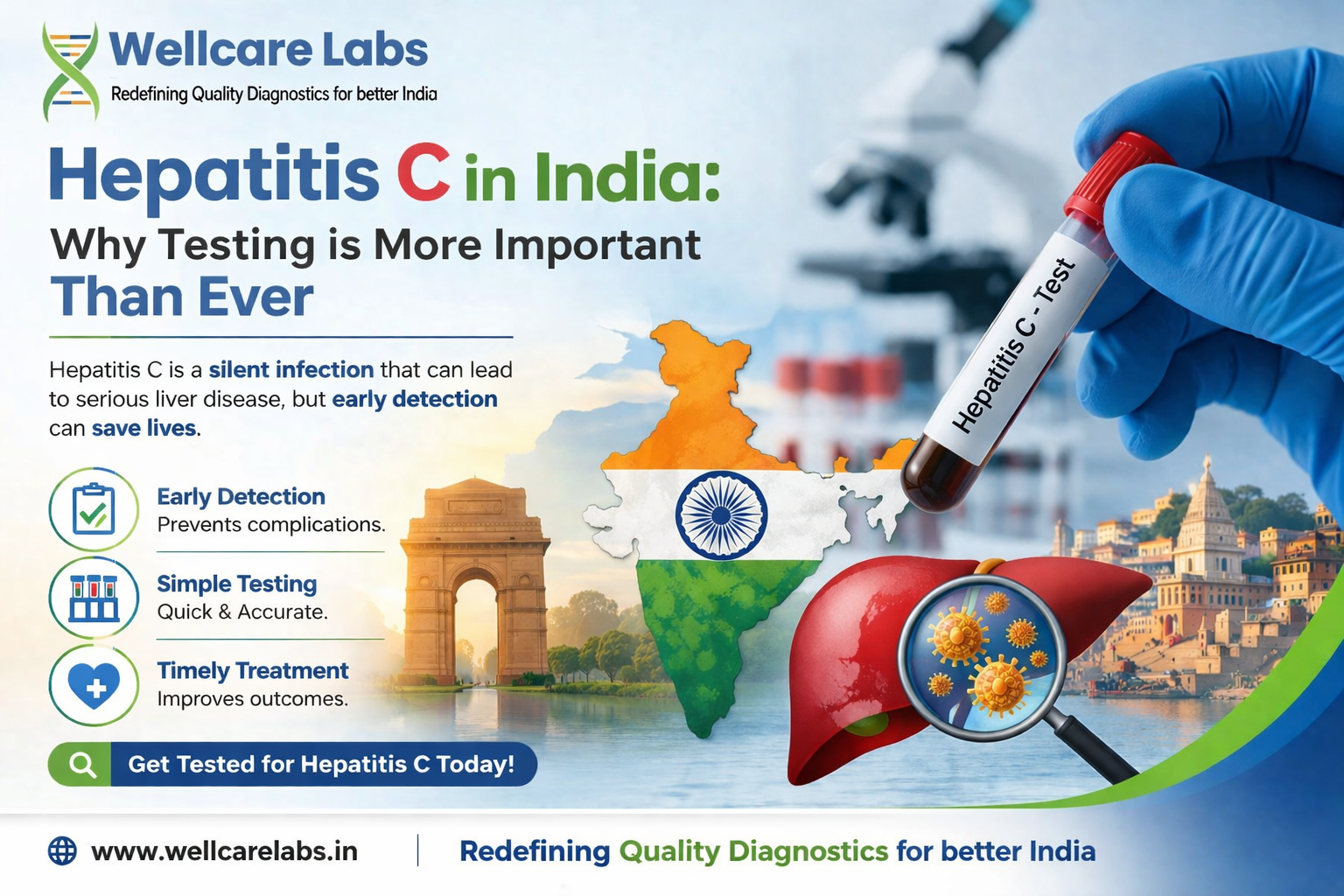
Hepatitis C in India: Why Testing is More Important Than Ever
Hepatitis C is one of the most overlooked yet serious health conditions in India. Caused by the Hepatitis C Virus (HCV), it primarily affects the liver and can lead to long-term complications if not detected early. What makes it more concerning is that many people live with the infection for years without even realizing it. This is why testing has become more important than ever.
Understanding Hepatitis C
Hepatitis C is a viral infection that spreads through contact with infected blood. Common transmission routes include unsafe medical practices, blood transfusions with contaminated blood, sharing needles, and, in rare cases, from mother to child during childbirth.
Unlike some other infections, Hepatitis C often shows no symptoms in its early stages. This silent nature makes it difficult to detect without proper testing.
The Growing Concern in India
India has a significant number of undiagnosed Hepatitis C cases. Due to limited awareness and irregular testing, many individuals only discover the infection when it has already caused liver damage.
Factors contributing to its rise include:
- Lack of routine screening
- Limited awareness in rural and semi-urban areas
- Unsafe healthcare practices in some regions
- Increasing cases among high-risk groups
Why Testing is Crucial
1. Early Detection Saves Lives
Hepatitis C can be effectively managed if detected early. Testing allows individuals to begin treatment before the disease progresses.
2. Prevents Severe Liver Damage
Untreated Hepatitis C can lead to liver cirrhosis, liver failure, or even cancer. Regular testing helps prevent these complications.
3. Reduces Spread of Infection
Knowing your status helps prevent unknowingly spreading the virus to others.
4. Better Treatment Outcomes
With advancements in medical science, Hepatitis C is now treatable. Early diagnosis significantly improves recovery rates.
Who Should Get Tested?
HCV testing is recommended for:
- Individuals who have received blood transfusions in the past
- People with a history of injectable drug use
- Healthcare workers exposed to blood
- Individuals with unexplained liver issues
- Anyone seeking routine preventive health check-ups
Types of HCV Tests
There are mainly two types of tests used to detect Hepatitis C:
- HCV Antibody Test: Detects whether a person has ever been exposed to the virus
- HCV RNA Test: Confirms active infection and measures viral load
Both tests play a crucial role in accurate diagnosis and treatment planning.
The Role of Reliable Diagnostic Centers
Accurate testing is essential when dealing with conditions like Hepatitis C. Choosing a trusted diagnostic center ensures reliable results and proper guidance.
Centers like Wellcare Labs focus on delivering precise and timely reports using advanced diagnostic methods. With experienced professionals and a commitment to quality, such labs help individuals take informed steps toward better health.
Breaking the Stigma Around Testing
One of the biggest challenges in India is the stigma associated with testing for viral infections. Many people avoid getting tested due to fear or lack of awareness.
However, getting tested is not just about personal health—it’s about protecting your family and community as well.
The Way Forward
India is gradually improving its healthcare infrastructure, but awareness and proactive testing remain key. Regular screening, especially for high-risk groups, can significantly reduce the burden of Hepatitis C in the country.
Government initiatives, improved diagnostics, and responsible healthcare practices can help in early detection and treatment.
Conclusion
Hepatitis C may be silent, but its impact can be severe if ignored. With increasing cases and low awareness, testing has become more important than ever in India.
Taking a simple HCV test can make a life-changing difference. Early diagnosis, proper treatment, and reliable diagnostic support from centers like Wellcare Labs can help individuals lead healthier and safer lives.