HbA1c Test Explained: How It Helps Monitor Diabetes
HbA1c Test Explained: How It Helps Monitor Diabetes
Diabetes has become one of the most common health concerns today, affecting millions of people across different age groups. Managing diabetes properly is important because uncontrolled blood sugar levels can lead to serious health complications over time. One of the most important tests used for diabetes monitoring is the HbA1c test.
If you’ve ever wondered what an HbA1c test measures or why doctors recommend it regularly, this guide explains everything in a simple way.
What is an HbA1c Test?
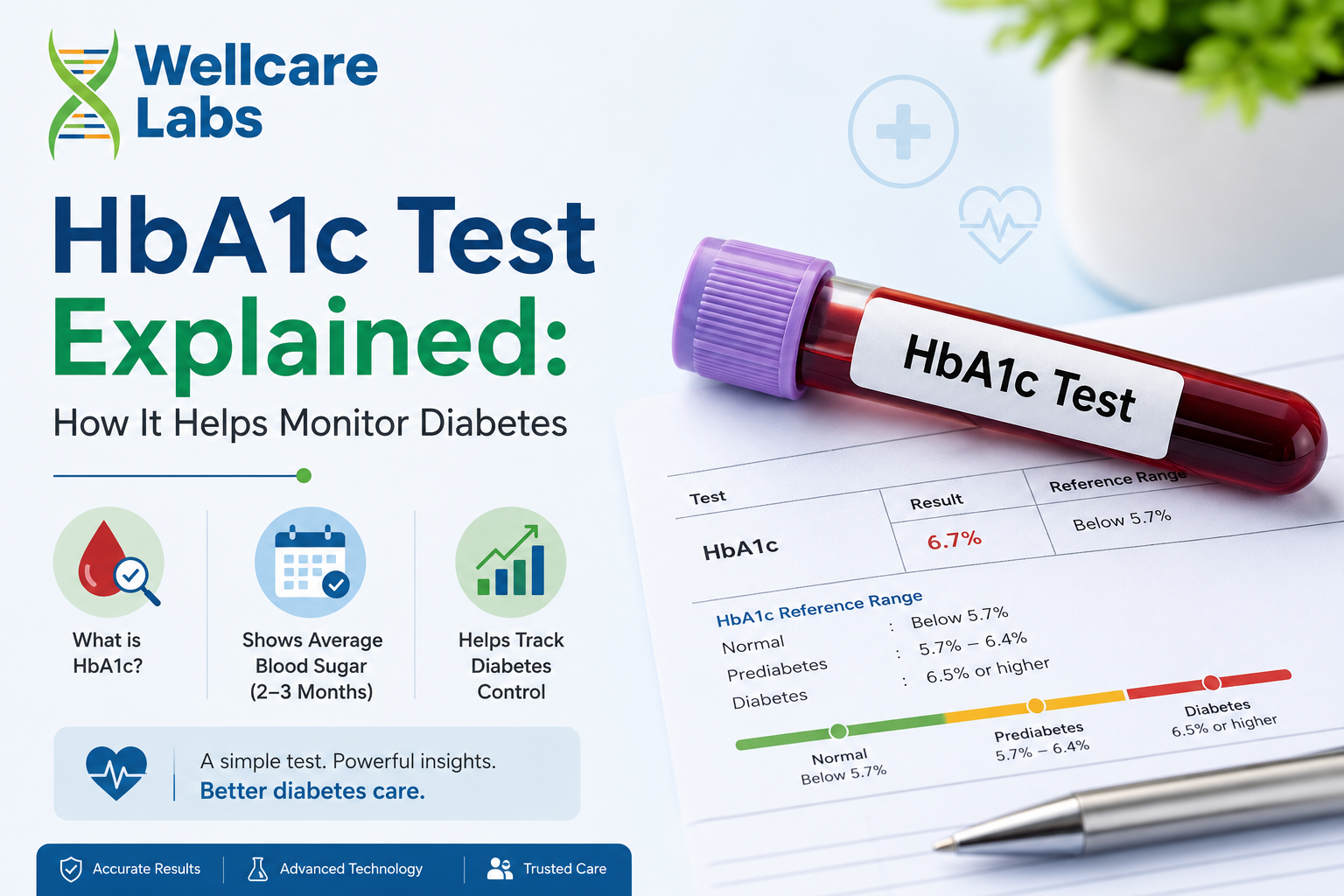
The HbA1c test, also known as the glycated hemoglobin test, measures your average blood sugar levels over the past 2 to 3 months.
Unlike regular blood sugar tests that show glucose levels at a specific moment, the HbA1c test gives a broader picture of how well your blood sugar has been controlled over time.
The test works by checking how much sugar is attached to hemoglobin, the protein in red blood cells responsible for carrying oxygen.
Since red blood cells live for around 3 months, the HbA1c test helps doctors understand long-term blood sugar management.
Why is the HbA1c Test Important?
The HbA1c test plays a major role in:
- Diagnosing diabetes and prediabetes
- Monitoring diabetes treatment effectiveness
- Reducing the risk of diabetes-related complications
- Tracking long-term blood sugar control
Regular monitoring can help prevent complications related to:
- Heart disease
- Kidney problems
- Nerve damage
- Vision issues
Normal HbA1c Levels Explained
Here’s a general understanding of HbA1c results:
- Below 5.7% → Normal
- 5.7% to 6.4% → Prediabetes
- 6.5% or above → Diabetes
People already diagnosed with diabetes are usually advised to maintain HbA1c levels below the target suggested by their doctor.
How Often Should You Take an HbA1c Test?
The frequency depends on your health condition.
Doctors may recommend:
- Once a year for healthy individuals at risk of diabetes
- Every 3 to 6 months for people with diabetes
- More frequent testing if blood sugar levels are uncontrolled
Regular testing helps monitor whether medications, diet, and lifestyle changes are working effectively.
Benefits of the HbA1c Test
1. Long-Term Blood Sugar Monitoring
It gives a complete overview of sugar levels instead of temporary readings.
2. No Fasting Usually Required
Unlike fasting blood sugar tests, HbA1c testing generally does not require fasting.
3. Helps Detect Prediabetes Early
Early detection allows people to make lifestyle changes before diabetes develops fully.
4. Better Diabetes Management
Doctors can adjust medications and treatment plans based on HbA1c results.
Symptoms That May Indicate You Need an HbA1c Test
You may be advised to take the test if you experience:
- Frequent urination
- Excessive thirst
- Constant fatigue
- Sudden weight changes
- Blurred vision
- Slow wound healing
People with family history, obesity, or sedentary lifestyle may also need regular screening.
Tips to Maintain Healthy HbA1c Levels
Managing blood sugar levels requires consistent lifestyle habits.
Some helpful tips include:
- Eating a balanced diet
- Reducing sugar intake
- Exercising regularly
- Managing stress levels
- Taking medications on time
- Monitoring blood sugar regularly
Small daily changes can make a big difference over time.
Choosing a Reliable Diagnostic Lab Matters
Accurate testing is extremely important for proper diabetes management. Choosing a trusted diagnostic center ensures reliable reports and timely results.
Wellcare Labs is known for providing dependable pathology and diagnostic services with advanced testing methods and experienced professionals. Their focus on accuracy and patient care helps individuals make informed health decisions with confidence.
Final Thoughts
The HbA1c test is one of the most effective tools for monitoring long-term blood sugar control and managing diabetes properly.
Regular testing not only helps detect diabetes early but also supports better treatment planning and healthier living. Whether you are managing diabetes or simply monitoring your health, timely HbA1c testing can play a crucial role in preventing future complications.
Prioritizing preventive healthcare today can help you maintain better health tomorrow.