Fatty Liver in Working Professionals: Causes, Symptoms, Risks & Prevention
Fatty Liver in Working Professionals: Causes, Symptoms, Risks & Prevention
Modern work culture has brought convenience, but it has also introduced several lifestyle-related health problems. One of the fastest-growing health concerns among working professionals today is Fatty Liver Disease.
Long working hours, sedentary lifestyles, unhealthy eating habits, stress, lack of exercise, and poor sleep patterns are contributing to an increasing number of fatty liver cases among professionals in Pune, PCMC, and across Maharashtra.
The concerning part is that fatty liver often develops silently, without noticeable symptoms during its early stages. By the time symptoms appear, significant liver damage may already have occurred.
Understanding the causes, symptoms, and prevention strategies can help professionals protect their liver health and overall well-being.
What Is Fatty Liver Disease?
Fatty Liver Disease occurs when excess fat accumulates inside liver cells.
A healthy liver contains very little fat. However, when fat makes up a significant portion of the liver, it can interfere with normal liver function.
The two major types include:
Non-Alcoholic Fatty Liver Disease (NAFLD)
Occurs in people who consume little or no alcohol.
This is now one of the most common liver conditions among office workers and corporate professionals.
Alcoholic Fatty Liver Disease
Occurs due to excessive alcohol consumption.
Both conditions can progress to serious liver damage if left untreated.
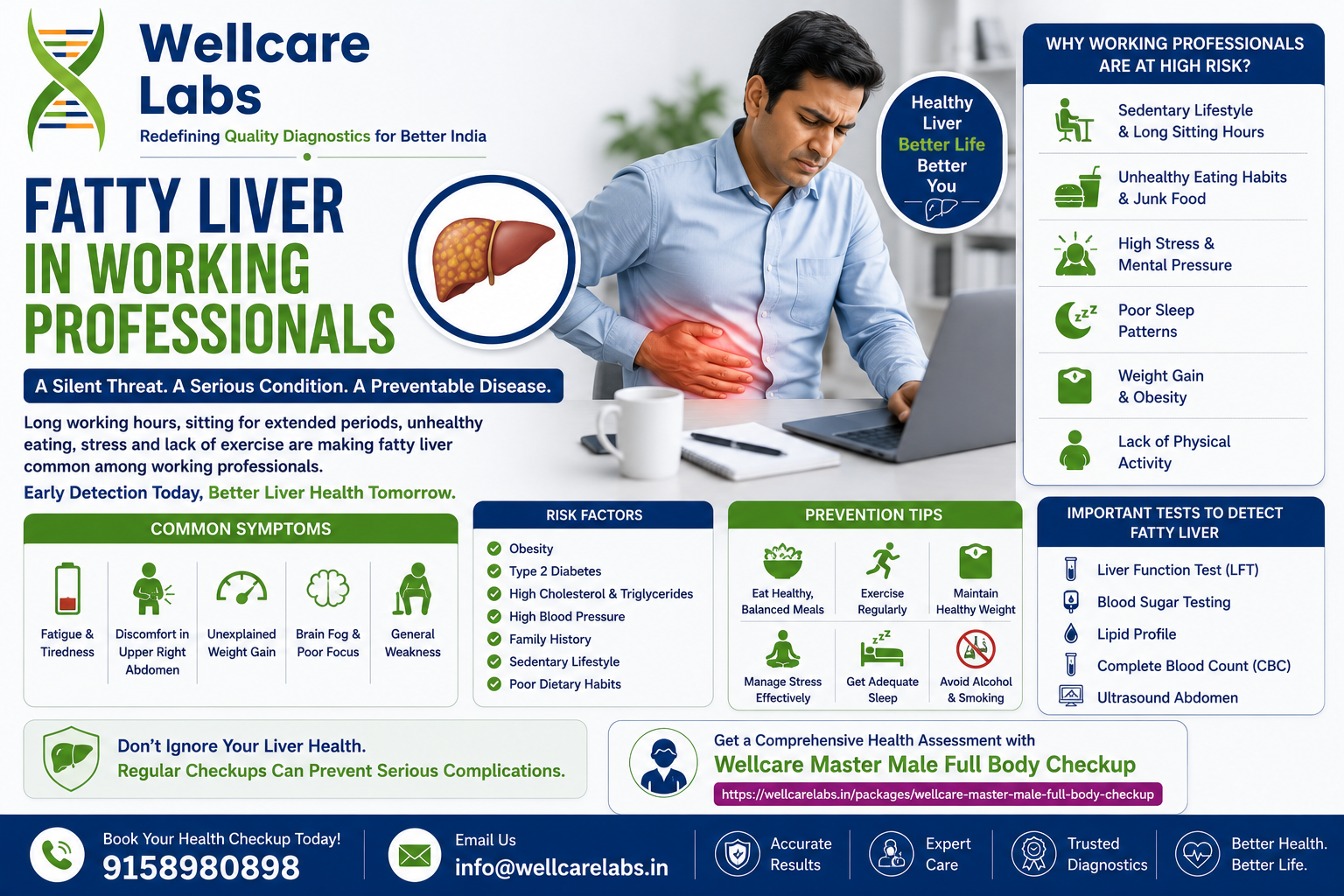
Why Are Working Professionals at Higher Risk?
Modern workplace habits often create ideal conditions for fatty liver development.
Sedentary Lifestyle
Many professionals spend:
- 8–10 hours sitting daily
- Long periods at desks
- Extended screen time
- Minimal physical activity
Reduced movement slows metabolism and contributes to fat accumulation.
Unhealthy Eating Habits
Common workplace dietary habits include:
- Fast food
- Processed snacks
- Sugary beverages
- Late-night meals
- Frequent food delivery
These habits increase the risk of obesity and fatty liver disease.
Stress and Mental Pressure
Chronic workplace stress can affect hormonal balance and metabolism, indirectly increasing the risk of metabolic disorders.
Lack of Sleep
Poor sleep quality is associated with:
- Weight gain
- Insulin resistance
- Increased liver fat accumulation
Weight Gain and Obesity
Excess abdominal fat is one of the strongest risk factors for fatty liver disease.
Common Symptoms of Fatty Liver
In many cases, fatty liver produces no symptoms initially.
As the condition progresses, individuals may experience:
Persistent Fatigue
Feeling tired despite adequate rest.
Unexplained Weakness
Reduced energy and physical performance.
Discomfort in the Upper Right Abdomen
Some individuals experience mild pain or heaviness near the liver.
Difficulty Losing Weight
Metabolic changes can make weight management challenging.
Brain Fog and Reduced Concentration
Some people report difficulty focusing and decreased productivity.
Because symptoms are often vague, routine health screening becomes essential.
Who Is Most at Risk?
You may be at higher risk if you have:
- Obesity
- Type 2 Diabetes
- High cholesterol
- High triglycerides
- High blood pressure
- Sedentary lifestyle
- Family history of metabolic disorders
- Poor dietary habits
Many working professionals unknowingly have multiple risk factors.
Can Fatty Liver Become Serious?
Yes.
If left untreated, fatty liver can progress through several stages:
Stage 1: Simple Fatty Liver
Fat accumulates inside liver cells.
Stage 2: Fatty Liver with Inflammation
The liver begins to show signs of damage.
Stage 3: Liver Fibrosis
Scar tissue starts developing.
Stage 4: Cirrhosis
Severe liver damage affects liver function and may become life-threatening.
Early detection significantly reduces the risk of progression.
How Is Fatty Liver Diagnosed?
Diagnosis usually involves a combination of:
Liver Function Tests (LFT)
Liver enzymes help evaluate liver health.
Common markers include:
- SGOT (AST)
- SGPT (ALT)
- Bilirubin
- Alkaline Phosphatase
Blood Sugar Testing
Diabetes and insulin resistance are strongly associated with fatty liver disease.
Lipid Profile
Measures:
- Cholesterol
- Triglycerides
- HDL
- LDL
Abnormal lipid levels often accompany fatty liver.
Complete Blood Count (CBC)
Provides important information about overall health.
Ultrasound Examination
An abdominal ultrasound is commonly used to identify fatty liver changes.
Warning Signs Professionals Should Not Ignore
Seek medical evaluation if you experience:
- Constant fatigue
- Unexplained weight gain
- Elevated cholesterol levels
- High blood sugar
- Frequent digestive discomfort
- Abnormal liver enzyme reports
These may indicate underlying liver health issues.
How to Prevent Fatty Liver
Exercise Regularly
Aim for at least 30 minutes of physical activity most days of the week.
Maintain a Healthy Weight
Even modest weight loss can significantly improve liver health.
Eat a Balanced Diet
Focus on:
- Fresh vegetables
- Fruits
- Lean protein
- Whole grains
Limit:
- Sugary drinks
- Refined carbohydrates
- Processed foods
- Excessive alcohol
Get Adequate Sleep
Aim for 7–8 hours of quality sleep daily.
Manage Stress
Healthy stress management techniques can improve metabolic health.
Schedule Regular Health Checkups
Routine screening can detect liver abnormalities before symptoms develop.
Why Preventive Health Screening Matters
Many professionals discover fatty liver only during routine health checkups.
Regular screening can help identify:
- Liver enzyme abnormalities
- High cholesterol
- Diabetes risk
- Obesity-related complications
- Metabolic syndrome
Early diagnosis allows timely lifestyle modifications and medical guidance.
For comprehensive preventive health screening, consider the Wellcare Master Male Full Body Checkup
This package includes multiple tests that help assess liver health, metabolic health, and overall wellness.
Fatty Liver in Pune, PCMC & Maharashtra
Fatty liver disease is increasingly being diagnosed among IT professionals, business owners, corporate employees, and working professionals across Pune, Pimpri-Chinchwad (PCMC), and Maharashtra.
The combination of sedentary work environments and lifestyle-related risk factors makes preventive health checkups more important than ever.
Frequently Asked Questions
Can fatty liver be reversed?
In many cases, early-stage fatty liver can improve through weight loss, dietary changes, regular exercise, and medical supervision.
Does fatty liver always cause symptoms?
No. Many individuals have fatty liver without experiencing noticeable symptoms.
Can non-drinkers develop fatty liver?
Yes. Non-Alcoholic Fatty Liver Disease (NAFLD) is extremely common and often occurs due to lifestyle and metabolic factors.
How often should working professionals get tested?
Annual preventive health screening is recommended for most adults, especially those with risk factors such as obesity, diabetes, or high cholesterol.
Conclusion
Fatty liver disease is no longer limited to older adults or individuals with alcohol-related health issues. It has become increasingly common among working professionals due to sedentary lifestyles, poor dietary habits, stress, and metabolic disorders.
The good news is that early detection and lifestyle modifications can significantly improve liver health and prevent serious complications.
Regular health checkups, healthy eating, physical activity, and proactive healthcare decisions can help protect your liver and improve your overall quality of life.
Take the first step toward better health with preventive screening and regular monitoring.
Wellcare Labs
Redefining Quality Diagnostics for Better India