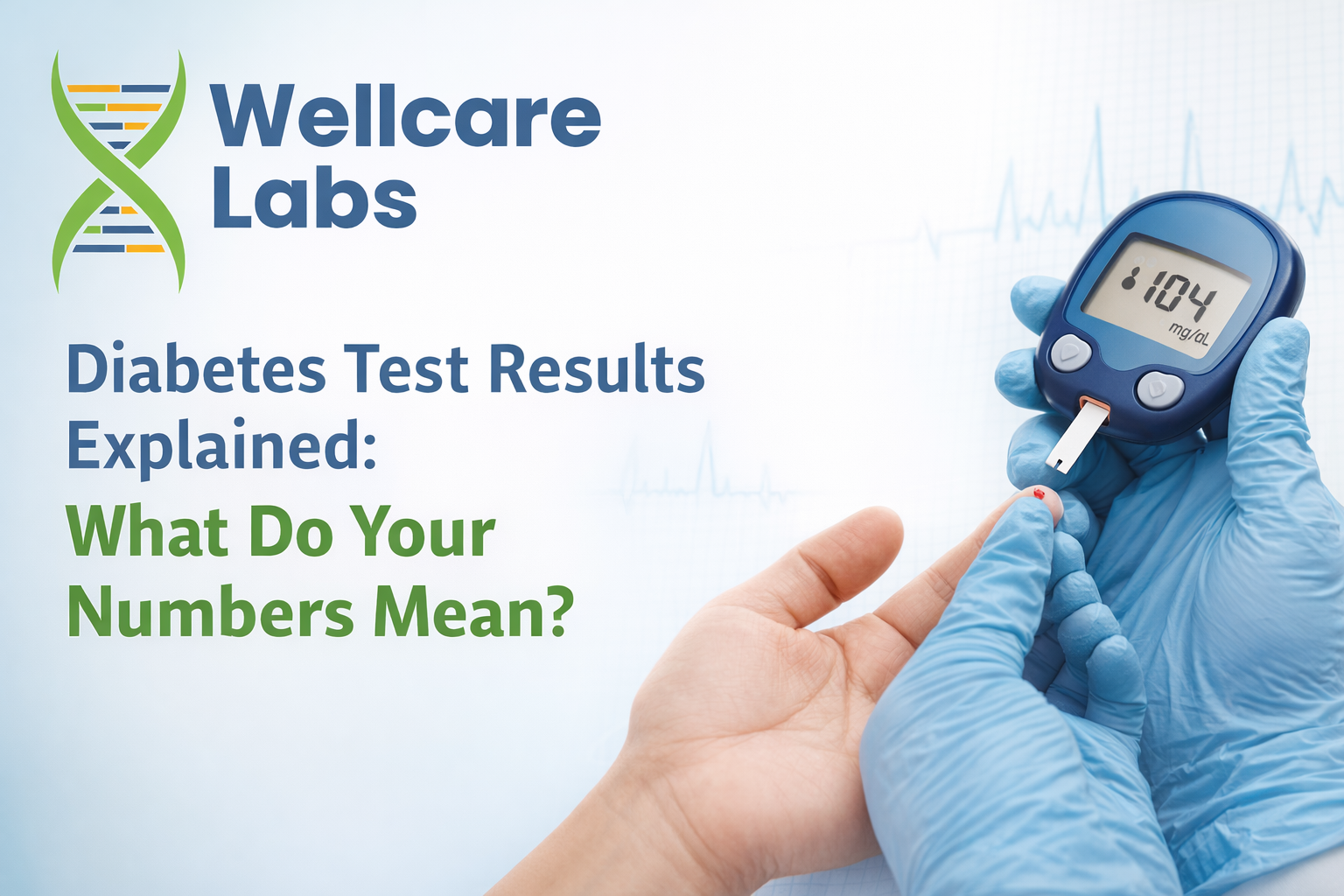
Diabetes Test Results Explained: What Do Your Numbers Mean?
Diabetes Test Results Explained: What Do Your Numbers Mean?
Getting a diabetes test done is an important step toward understanding your health—but for many people, the real confusion begins when they look at the numbers in their report. Terms like fasting glucose, HbA1c, and random blood sugar can seem overwhelming if you don’t know what they mean.
In this blog, we will break down diabetes test results in a simple and clear way so you can understand what your numbers indicate and when you should take action.
What Is a Diabetes Test?
A diabetes test measures the level of glucose (sugar) in your blood. It helps diagnose conditions like prediabetes and diabetes, and also helps monitor blood sugar levels in people already diagnosed.
The most common diabetes tests include:
- Fasting Blood Sugar (FBS)
- Postprandial Blood Sugar (PPBS)
- HbA1c (Glycated Hemoglobin)
- Oral Glucose Tolerance Test (OGTT)
Each test gives a different insight into how your body manages blood sugar.
Understanding Key Diabetes Test Numbers
Let’s break down the most important test results and what they mean:
1. Fasting Blood Sugar (FBS)
This test is done after 8–10 hours of fasting.
Normal Range: 70–99 mg/dL
Prediabetes: 100–125 mg/dL
Diabetes: 126 mg/dL or higher
If your fasting sugar is consistently high, it may indicate impaired glucose regulation.
2. Postprandial Blood Sugar (PPBS)
This test is taken 2 hours after eating.
Normal Range: Less than 140 mg/dL
Prediabetes: 140–199 mg/dL
Diabetes: 200 mg/dL or higher
This helps understand how your body processes sugar after meals.
3. HbA1c (Average Blood Sugar Over 3 Months)
HbA1c reflects your average blood sugar levels over the past 2–3 months.
Normal Range: Below 5.7%
Prediabetes: 5.7% – 6.4%
Diabetes: 6.5% or higher
This is one of the most important tests because it shows long-term sugar control.
4. Random Blood Sugar Test
This test can be taken at any time of the day.
Normal Range: Below 140 mg/dL
Diabetes Indicator: 200 mg/dL or higher (with symptoms)
It is often used for quick screening, especially if symptoms are present.
Why Understanding Your Results Matters
Many people ignore slightly high readings, assuming they are not serious. However, early detection is key to preventing complications like:
- Heart disease
- Kidney problems
- Vision issues
- Nerve damage
Understanding your diabetes test results helps you take timely action, whether it’s lifestyle changes or medical treatment.
Common Mistakes While Reading Reports
- Ignoring borderline values
- Not considering multiple test results together
- Self-diagnosing without consulting a doctor
- Not repeating tests for confirmation
It’s always best to discuss your results with a healthcare professional for accurate interpretation.
Importance of Accurate Testing
The accuracy of your test results depends heavily on the quality of the diagnostic lab. Reliable testing ensures that your treatment decisions are based on correct data.
Trusted diagnostic centers like Wellcare Labs focus on precision and consistency in every test. With advanced diagnostic methods and experienced professionals, they ensure that patients receive dependable reports, helping them make informed health decisions with confidence.
When Should You Get Tested Again?
You should consider repeat testing if:
- Your results fall in the prediabetes range
- You have symptoms like frequent urination, fatigue, or excessive thirst
- You have a family history of diabetes
- Your doctor recommends monitoring
Regular testing helps track progress and manage your health effectively.
Tips to Maintain Healthy Blood Sugar Levels
- Follow a balanced diet
- Exercise regularly
- Reduce sugar and processed foods
- Maintain a healthy weight
- Monitor blood sugar periodically
Small lifestyle changes can make a big difference in preventing or managing diabetes.
Conclusion
Understanding your diabetes test results is the first step toward better health management. Knowing what each number means helps you take control of your lifestyle and avoid serious complications.
Regular testing, timely consultation, and choosing a reliable diagnostic partner like Wellcare Labs can ensure accurate results and better health outcomes. If you haven’t checked your blood sugar levels recently, now is the right time to take that step toward a healthier future.