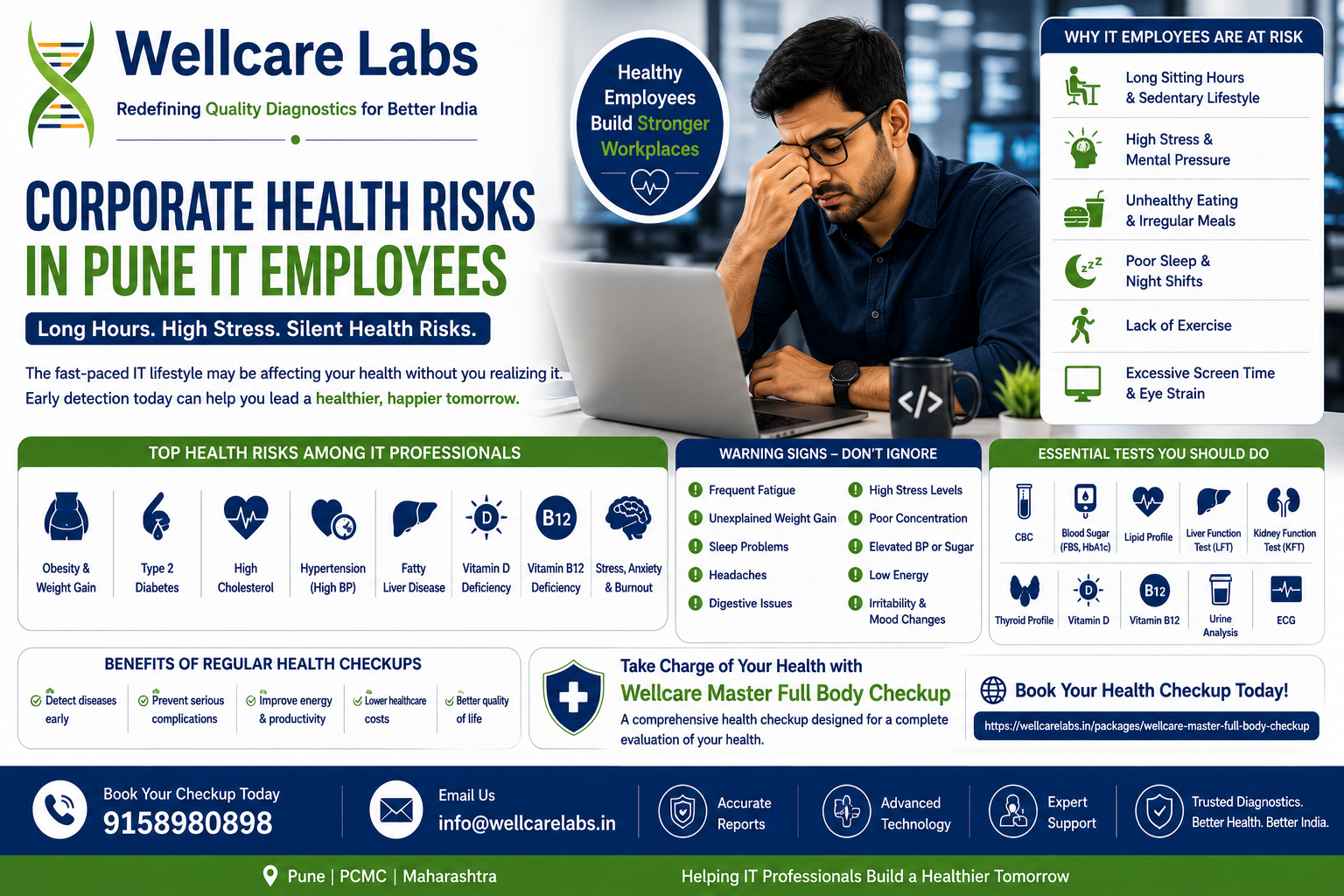
Corporate Health Risks in Pune IT Employees
Why Regular Health Checkups Are No Longer Optional
Pune has emerged as one of India's leading IT and technology hubs, employing thousands of software engineers, developers, project managers, analysts, and corporate professionals. While the IT industry offers exciting career opportunities, it also brings significant health challenges that often go unnoticed until serious symptoms appear.
Extended screen time, work-from-home culture, night shifts, tight deadlines, and reduced physical activity have contributed to a growing number of lifestyle diseases among IT employees in Pune and PCMC.
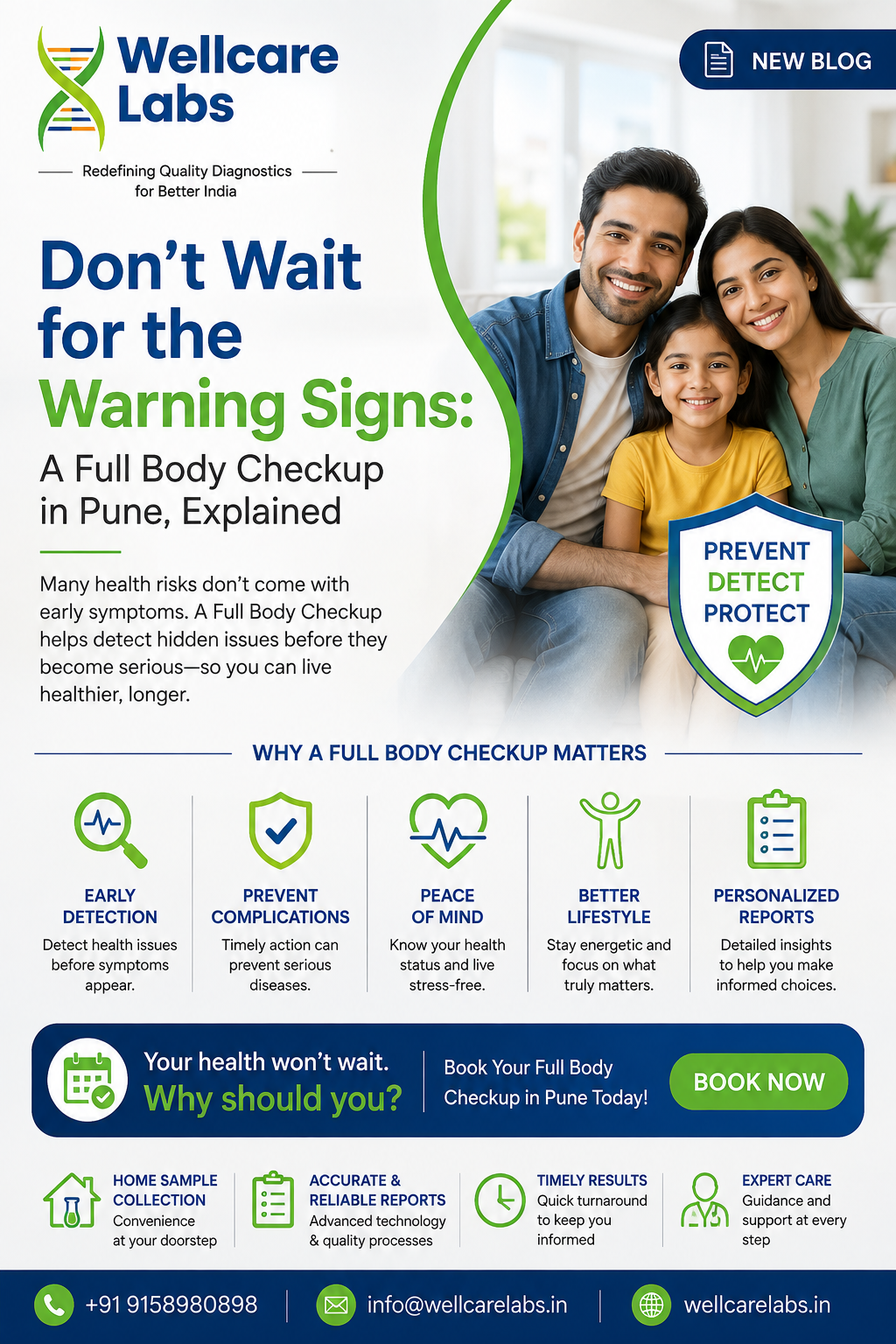
Many professionals believe they are healthy because they feel fine. However, conditions such as diabetes, hypertension, fatty liver, vitamin deficiencies, high cholesterol, and heart disease often develop silently.
This is why preventive healthcare has become more important than ever.
Why Pune IT Employees Face Higher Health Risks
The modern corporate lifestyle creates the perfect environment for lifestyle-related diseases.
Common workplace factors include:
- Sitting for 8–12 hours daily
- Lack of physical activity
- Frequent consumption of processed foods
- High stress levels
- Poor sleep quality
- Night shift schedules
- Excessive caffeine intake
- Long commuting hours
- Irregular meal timings
Over time, these habits can significantly affect overall health.
Top Health Risks Among IT Professionals
1. Obesity and Weight Gain
Sitting for prolonged periods slows metabolism and reduces calorie expenditure.
Many IT professionals experience:
- Increased belly fat
- Weight gain
- Reduced fitness levels
- Higher risk of metabolic disorders
Excess weight also increases the likelihood of diabetes, hypertension, and heart disease.
2. Type 2 Diabetes
India is often called the diabetes capital of the world, and corporate employees are among the highest-risk groups.
Common risk factors include:
- Sedentary lifestyle
- Stress
- Poor eating habits
- Family history
- Obesity
Early-stage diabetes may not produce noticeable symptoms, making regular screening essential.
3. High Cholesterol
Frequent consumption of fast food, processed snacks, and sugary beverages can lead to elevated cholesterol levels.
High cholesterol significantly increases the risk of:
- Heart disease
- Stroke
- Blocked arteries
Regular Lipid Profile testing helps detect abnormalities before complications arise.
4. Hypertension (High Blood Pressure)
Often called the "Silent Killer," high blood pressure frequently develops without symptoms.
Workplace stress, poor sleep, and unhealthy lifestyle habits contribute to increasing hypertension cases among young professionals.
5. Fatty Liver Disease
Fatty liver is becoming increasingly common among corporate employees.
Risk factors include:
- Sedentary lifestyle
- Obesity
- High cholesterol
- Diabetes
- Poor dietary habits
Many people discover fatty liver only during routine health checkups.
6. Vitamin D Deficiency
Despite living in a sunny country, many IT professionals spend most of their time indoors.
Vitamin D deficiency can cause:
- Fatigue
- Muscle weakness
- Bone pain
- Reduced immunity
Indoor work culture has made Vitamin D deficiency one of the most common nutritional deficiencies among Pune professionals.
7. Vitamin B12 Deficiency
Vegetarian dietary habits combined with workplace stress can contribute to low Vitamin B12 levels.
Symptoms may include:
- Fatigue
- Brain fog
- Poor concentration
- Tingling sensations
- Low energy
8. Mental Stress and Burnout
High-pressure work environments often lead to:
- Chronic stress
- Anxiety
- Sleep disturbances
- Reduced productivity
- Burnout
Mental health is equally important as physical health and should not be ignored.
Warning Signs IT Employees Should Never Ignore
Consider a health evaluation if you experience:
- Frequent fatigue
- Unexplained weight gain
- High stress levels
- Sleep problems
- Headaches
- Reduced concentration
- Digestive issues
- High blood pressure
- Elevated blood sugar levels
These symptoms may indicate underlying health problems that require medical attention.
Essential Tests for Corporate Employees
A comprehensive preventive health checkup should include:
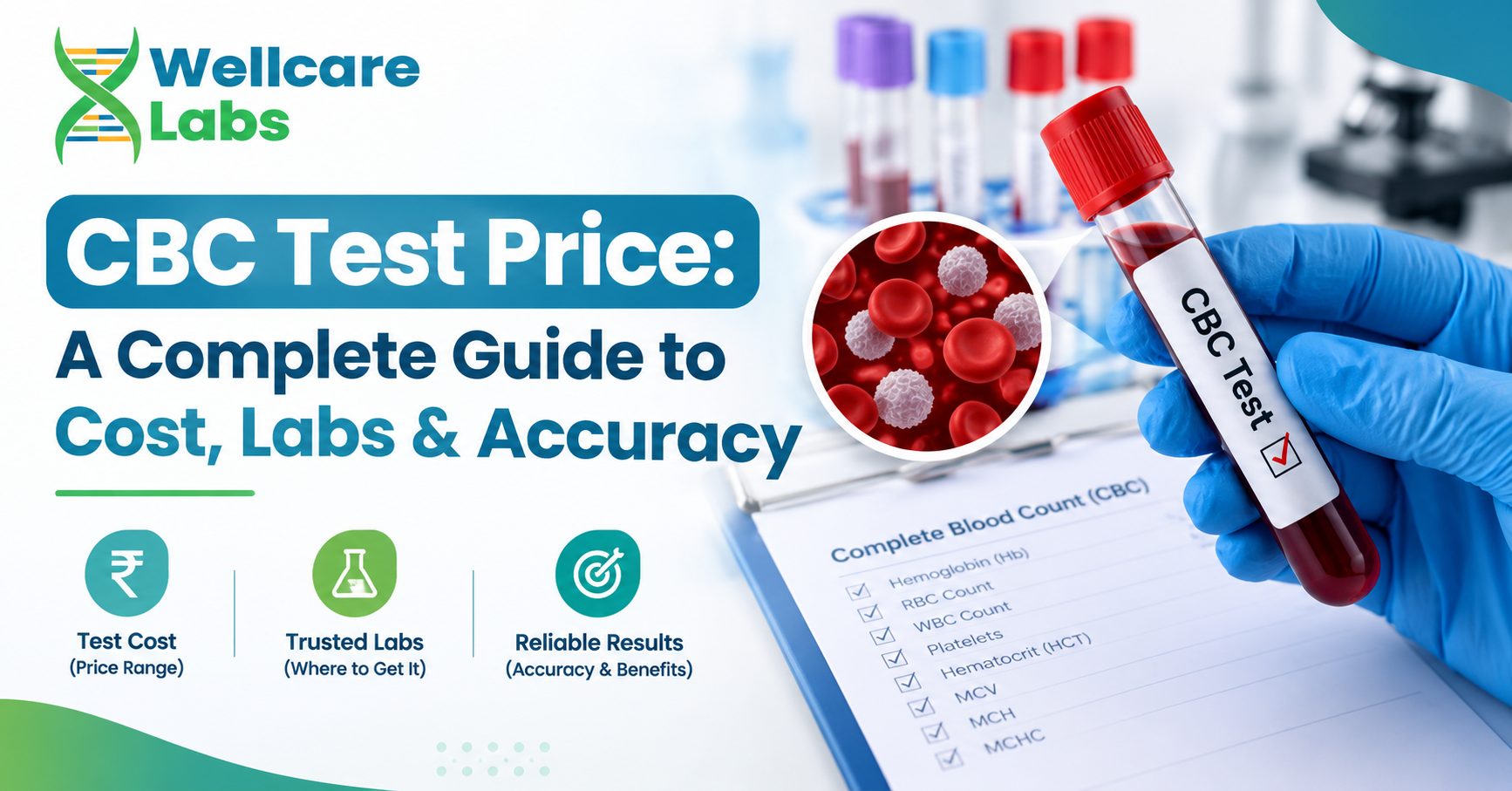
Complete Blood Count (CBC)
Evaluates overall health and detects anemia and infections.
Blood Sugar Testing
Helps identify diabetes and prediabetes.
HbA1c
Provides a long-term assessment of blood sugar control.
Lipid Profile
Evaluates cholesterol and cardiovascular risk.
Liver Function Test (LFT)
Assesses liver health and fatty liver risk.
Kidney Function Test (KFT)
Monitors kidney performance.
Thyroid Profile
Detects thyroid disorders that may affect energy and metabolism.
Vitamin D & Vitamin B12
Identifies common nutritional deficiencies among office workers.
Urine Analysis
Provides valuable information about overall health and kidney function.
Why Annual Health Checkups Matter
Preventive screening helps:
- Detect diseases early
- Reduce healthcare costs
- Improve treatment outcomes
- Increase workplace productivity
- Enhance quality of life
- Support long-term wellness
Many serious conditions can be identified years before symptoms appear.
Comprehensive Health Screening for IT Professionals
For employees seeking a complete preventive health assessment, the Wellcare Master Full Body Checkup provides comprehensive testing to evaluate overall health status.
Learn more here:
https://wellcarelabs.in/packages/wellcare-master-full-body-checkup
The package helps screen for common lifestyle diseases, nutritional deficiencies, liver and kidney disorders, diabetes, cholesterol abnormalities, and other health concerns frequently seen among corporate employees.
Corporate Wellness in Pune, PCMC & Maharashtra
As Pune continues to grow as a major IT destination, employee health has become a key concern for both organizations and professionals.
Forward-thinking companies are increasingly investing in preventive healthcare initiatives, employee wellness programs, and corporate health screening camps to improve workforce well-being.
Regular health checkups not only benefit employees but also contribute to higher productivity, reduced absenteeism, and better organizational performance.
Frequently Asked Questions
How often should IT employees get a health checkup?
Most healthcare experts recommend a comprehensive preventive health checkup once every year.
Are health risks common even in younger IT professionals?
Yes. Lifestyle diseases are increasingly being diagnosed in individuals in their late 20s and 30s.
Can a full body checkup detect early-stage diseases?
Many conditions such as diabetes, high cholesterol, fatty liver, and vitamin deficiencies can be identified before symptoms develop.
Is preventive healthcare worth it?
Early detection often leads to better treatment outcomes and lower long-term healthcare costs.
Conclusion
The fast-paced corporate lifestyle has made IT professionals more vulnerable to lifestyle diseases than ever before. Long sitting hours, stress, poor dietary habits, and lack of physical activity are silently affecting the health of thousands of employees across Pune and PCMC.
The good news is that most of these health risks can be identified early through regular preventive health checkups. Investing in your health today can help prevent serious complications tomorrow.
Take a proactive approach to your health with routine screening and preventive care.
Wellcare Labs
Redefining Quality Diagnostics for Better India